




Choosing a reliable manufacturer for custom forging dies comes down to five checks: confirming they can work in the die material your application actually needs — Tungsten Carbide or a specific tool steel grade — verifying they can hold the tolerance and hardness your parts require, checking for real in-house manufacturing capability rather than outsourced machining, confirming surface treatment and finishing options match your wear and corrosion requirements, and making sure they can take a project from drawing or sample to finished die without multiple vendors in between. A supplier that can't speak clearly to all five tends to be the one whose dies wear out early or arrive out of tolerance.
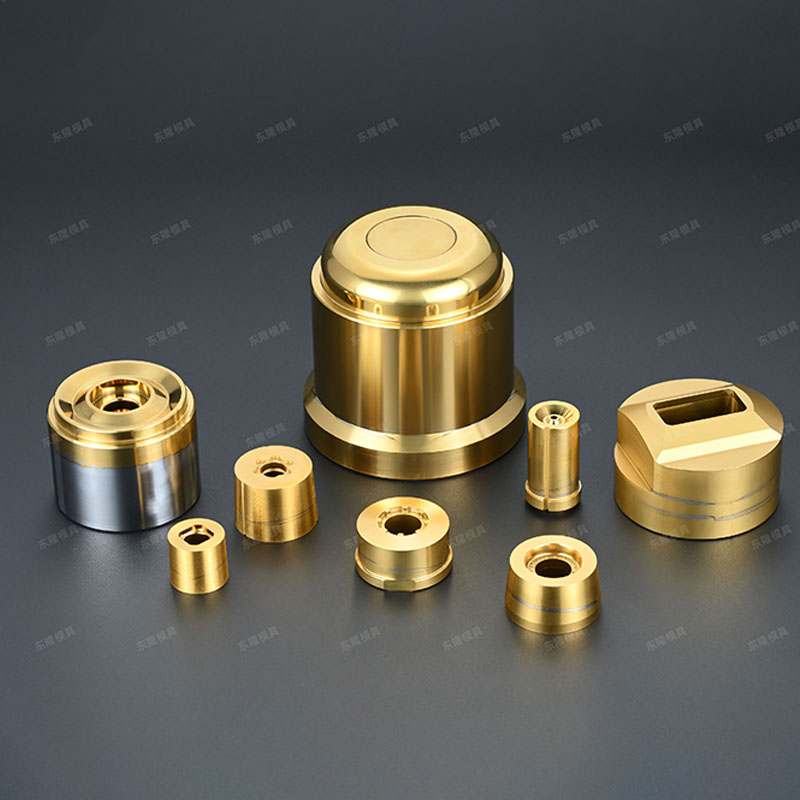
Match the Die Material to Your Production Volume and Part
Forging and Heading Die manufacturers typically work in Tungsten Carbide, tool steel grades such as SKD11, SKD61, and H13, and HSS alloys. Tungsten Carbide generally offers the longest tool life and is common for high-volume tungsten carbide dies where wear resistance matters more than upfront tooling cost. Tool steel grades are often chosen for lower-volume runs or applications where impact toughness matters more than pure wear resistance. The right material depends on your production volume, the part geometry, and the forming forces involved — ask your supplier to recommend material based on your actual application rather than defaulting to whichever grade they stock most.
Verify Tolerance and Hardness Capability Before You Commit
Precision forging dies for fastener production commonly require tolerances around ±0.002mm and hardness in the HRC 60–94 range depending on the material and treatment used. These aren't universal numbers every manufacturer can hit consistently — ask for the specific tolerance and hardness range they can guarantee on your part geometry, not just a general capability statement. A manufacturer that hedges on exact tolerance and hardness figures for your specific die is one worth qualifying carefully before a bulk order, since out-of-tolerance dies show up as inconsistent parts downstream in your own production.
Confirm Surface Treatment and Finishing Options
Surface treatment significantly affects die life and part quality. Common options include TiCN, TiN, and nitriding coatings for wear and corrosion resistance, along with polishing capability — Ra0.2 finishes are achievable on well-equipped lines and matter for applications where surface quality transfers directly to the formed part. If your application involves abrasive materials, corrosive environments, or high-cosmetic-finish requirements on the final formed part, confirm which surface treatments your supplier offers in-house versus which require an outside vendor, since outsourced treatment steps add lead time and another point where quality can vary.
Check In-House Manufacturing Capability, Not Just Design Capability
Designing a die is different from manufacturing one to spec. Look for CNC machining, wire EDM cutting, precision grinding, CMM inspection, and vacuum heat treatment under one roof — this combination lets a manufacturer take a die from rough machining through hardening and final precision finishing without shipping it between vendors, which is where tolerance and schedule risk tend to creep in. If a supplier subcontracts heat treatment or EDM work to a separate shop, ask how they manage tolerance control across that handoff, since a die that's precisely machined but poorly heat-treated elsewhere can still fail early in production.
Understand the Customization Process From Drawing to Finished Die
Most reliable manufacturers offer fully customized dies based on drawings or samples, adjusting material, size, coating, and surface treatment to the specific part. Before placing a bulk order, confirm how they handle the design-review step — whether they'll flag potential manufacturability issues in your drawing before cutting steel, or simply machine to spec as submitted. A manufacturer that reviews and pushes back on a problematic drawing before production is generally the one that saves you a reworked die later. This process applies whether you're sourcing dies for automotive cold forging, fastener production, or other precision forming applications.
Questions to Ask a Forging Die Manufacturer Before You Order
Can they recommend die material — tungsten carbide or a specific tool steel grade — based on your part and production volume, not just their default stock?
What tolerance and hardness range can they guarantee on your specific die geometry?
Which surface treatments (TiCN, TiN, nitriding, polishing) do they perform in-house versus outsource?
Do they handle machining, EDM, grinding, heat treatment, and inspection under one roof?
Will they review your drawing for manufacturability before production, or machine strictly to spec as submitted?
If you already have a drawing or sample ready, send it directly for a quote rather than starting with a general inquiry — manufacturers that combine design review with in-house production can typically turn around accurate pricing and lead time faster than one that has to check with outside vendors first.
Frequently Asked Questions
What's the difference between tungsten carbide and tool steel forging dies?
Tungsten carbide generally offers longer tool life and better wear resistance, making it common for high-volume production. Tool steel grades like SKD11, SKD61, and H13 are often chosen for lower-volume runs or applications prioritizing impact toughness over pure wear resistance. The right choice depends on your production volume and forming forces.
How is open die forging different from closed die forging?
Open die forging compresses heated metal between simple dies that don't fully enclose the material, allowing lateral flow — useful for large parts and lower tooling costs. For a full breakdown of the process, applications, and how it compares to closed die forging, see our open die forging overview.
What tolerance can a precision forging die achieve?
Precision fastener and heading dies commonly achieve tolerances around ±0.002mm, though this depends on the manufacturer's equipment and the specific die geometry. Always confirm the guaranteed tolerance for your specific part rather than relying on a general capability claim.
Can forging dies be customized from a drawing or sample?
Yes, most manufacturers offer fully customized dies based on customer drawings or physical samples, adjusting material, size, coating, and surface treatment. Look for a manufacturer that reviews your drawing for manufacturability before production rather than machining strictly to spec as submitted.