




A Trimming Die is a precision tooling component used to remove excess material, flash, or unwanted edges from forged, stamped, and cold-headed metal parts. It plays an important role in metal forming processes by helping manufacturers achieve accurate dimensions, clean edges, and consistent part geometry.
Custom Trimming Die solutions can be designed and manufactured according to specific workpiece dimensions, material requirements, production processes, and tooling configurations. As an essential part of Fastener Tooling and Cold Heading Dies, precision trimming dies are widely used in the production of bolts, nuts, screws, rivets, automotive components, and other formed metal parts.
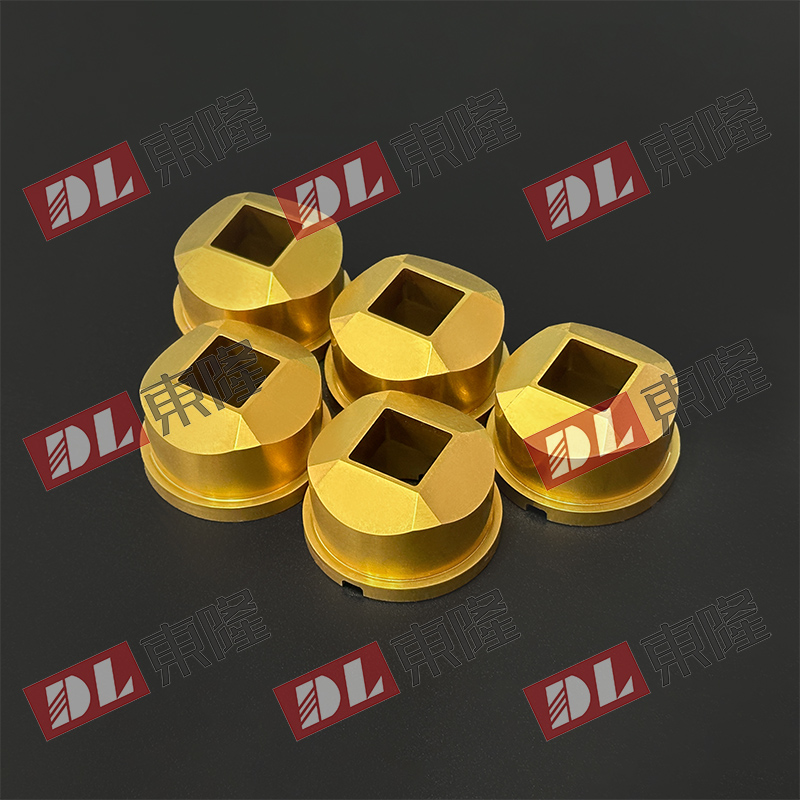
What Is a Trimming Die?
A Trimming Die is a specialized metal forming tool designed to cut away excess material from a formed workpiece. During forging or cold heading, material may extend beyond the desired shape and create flash or unwanted edges. The trimming process removes this excess material to achieve the required final geometry.
A Trimming Die typically works together with other tooling components to provide accurate and repeatable cutting performance. Its design must match the shape, dimensions, material, and forming process of the workpiece.
Common applications include:
Cold heading
Hot forging
Cold forging
Metal forming
Fastener manufacturing
Bolt production
Nut production
Automotive component manufacturing
How Does a Trimming Die Work?
During the forming process, a metal blank is compressed or shaped inside a die. Depending on the forming method and component design, excess material may remain around the workpiece.
The Trimming Die is then used to separate this unwanted material from the finished or semi-finished component.
Workpiece Positioning
The formed metal part is positioned accurately inside the trimming tooling. Proper alignment is important for maintaining dimensional accuracy and preventing uneven cutting.
Excess Material Removal
The trimming punch and die work together to shear or cut away unwanted material. The cutting edge is designed according to the required geometry of the workpiece.
Finished Part Formation
After trimming, the workpiece has a cleaner edge and more accurate geometry, making it ready for subsequent forming, machining, heat treatment, or finishing operations.
Key Advantages of Precision Trimming Dies
High Dimensional Accuracy
A Precision Trimming Die is manufactured with carefully controlled dimensions and cutting clearances. This helps ensure consistent trimming results throughout production.
Clean Cutting Performance
Proper die design and material selection can provide clean and stable cutting performance, reducing unwanted deformation and improving the quality of the finished component.
High Production Efficiency
Trimming dies are designed for repeatable production. They can process large quantities of formed components while maintaining consistent results.
Long Tool Life
High-quality tooling materials and appropriate heat treatment can improve wear resistance and extend the service life of the trimming die, particularly in high-volume manufacturing environments.
Consistent Part Quality
A properly designed trimming die helps manufacturers maintain consistent part dimensions and edge quality from one production cycle to another.
Custom Trimming Die
A Custom Trimming Die is manufactured according to the specific requirements of a customer's metal forming application. Custom tooling is especially important when the workpiece has a complex geometry or requires strict dimensional control.
Customization may include:
Die dimensions
Cutting geometry
Cutting clearance
Workpiece shape
Die material
Heat treatment
Surface treatment
Tolerance requirements
Production volume
Custom Trimming Dies can be designed based on engineering drawings, CAD models, samples, or specific production requirements.
Cold Heading Trimming Die
A Cold Heading Trimming Die is specifically designed for cold heading and cold forming applications. Cold heading is widely used to manufacture fasteners and precision metal components at high production speeds.
During cold heading, metal wire or blanks are formed under high pressure. The resulting component may require trimming to remove excess material and achieve the required final shape.
Cold Heading Trimming Dies are commonly used for:
Bolts
Screws
Nuts
Rivets
Pins
Studs
Automotive fasteners
Special fasteners
The die geometry, cutting clearance, material, and hardness must be carefully selected according to the workpiece and production conditions.
Forging Trimming Die
A Forging Trimming Die is used to remove flash and excess material generated during forging operations. Forging can produce excess material around the parting line of a forged component, which needs to be removed before the component proceeds to the next manufacturing stage.
Forging Trimming Dies are commonly used for automotive components, industrial components, machinery parts, and other forged products.
A properly designed Forging Trimming Die can improve production efficiency while maintaining consistent part dimensions and edge quality.
Trimming Die Materials
Material selection has a significant influence on the performance and service life of a trimming die.
Tool Steel
Tool steel is widely used for trimming dies because it provides a good combination of hardness, toughness, wear resistance, and machinability.
High-Speed Steel
High-speed steel can be selected for demanding cutting applications where high hardness and wear resistance are required.
Tungsten Carbide
Tungsten carbide provides excellent hardness and wear resistance. A Tungsten Carbide Die can be suitable for high-volume production and applications where severe wear is a concern.
The appropriate material depends on factors such as workpiece material, production volume, cutting conditions, required tool life, and operating environment.
Tungsten Carbide Die for Trimming Applications
A Tungsten Carbide Die can provide excellent resistance to wear and deformation. Tungsten carbide is significantly harder than many conventional tool steels, making it suitable for demanding tooling applications.
For high-volume Fastener Tooling, tungsten carbide components can help maintain dimensional stability and cutting performance over extended production cycles.
However, carbide tooling design needs to consider impact loads and operating conditions because carbide has different toughness characteristics compared with tool steel.
Applications of Trimming Dies
Fastener Manufacturing
Trimming dies are widely used in fastener manufacturing to remove excess material and achieve accurate shapes for bolts, screws, nuts, rivets, and other fasteners.
Automotive Components
Automotive manufacturers use trimming dies for producing various forged and formed metal components that require accurate dimensions and clean edges.
Cold Heading
Cold heading is one of the most important applications for precision trimming dies. They help remove unwanted material after forming and prepare components for subsequent operations.
Metal Forming
Metal Forming Dies are used across a wide range of manufacturing processes. Trimming dies complement forming dies by removing excess material after the main forming operation.
Industrial Forging
Forging Trimming Dies can be used to remove flash from forged components and improve the consistency of finished parts.
Trimming Die Manufacturing Process
Engineering Design
The manufacturing process begins with analyzing the workpiece geometry, forming process, material, production volume, and dimensional requirements.
Material Selection
The appropriate tool material is selected based on wear resistance, toughness, cutting conditions, and expected service life.
Precision Machining
Advanced CNC machining, grinding, EDM, and other precision manufacturing processes can be used to produce the required die geometry.
Heat Treatment
Depending on the selected material, heat treatment can improve hardness, strength, wear resistance, and overall tooling performance.
Quality Inspection
Finished dies are inspected to verify critical dimensions, tolerances, cutting geometry, and surface quality before delivery.
How to Choose a Trimming Die Manufacturer?
Choosing the right Trimming Die Manufacturer is important for achieving stable production performance and consistent part quality.
Consider the manufacturer's:
Tooling design capabilities
CNC machining capabilities
Material selection expertise
Heat treatment processes
Precision inspection equipment
Experience with cold heading dies
Fastener tooling experience
Custom manufacturing capabilities
Quality control procedures
An experienced manufacturer can help optimize die geometry and material selection according to the specific application.
Why Choose Custom Trimming Dies?
Custom Trimming Dies provide manufacturers with tooling specifically designed around their workpiece and production process. Instead of adapting a standard tool to a specific application, custom tooling allows the cutting geometry, dimensions, material, and tolerances to be optimized for the intended use.
For high-volume fastener production and precision metal forming, properly designed custom tooling can help improve production consistency, reduce tooling wear, and maintain finished part quality.
Frequently Asked Questions About Trimming Dies
What is a Trimming Die used for?
A Trimming Die is used to remove excess material, flash, or unwanted edges from forged, cold-headed, stamped, and formed metal components.
What is a Cold Heading Trimming Die?
A Cold Heading Trimming Die is a specialized die used in cold heading production to trim excess material from formed fasteners and other cold-forged components.
What is the difference between a trimming die and a forming die?
A forming die primarily shapes the metal workpiece, while a trimming die removes excess material from the formed component to achieve the required final geometry.
Can Trimming Dies be customized?
Yes. Custom Trimming Dies can be manufactured according to the workpiece geometry, dimensions, material, production process, tolerances, and tooling requirements.
Is tungsten carbide suitable for Trimming Dies?
Yes. Tungsten carbide offers excellent hardness and wear resistance and can be suitable for high-volume or highly abrasive trimming applications. The final material selection should consider the specific operating conditions and impact requirements.
What industries use Trimming Dies?
Trimming Dies are widely used in fastener manufacturing, automotive production, cold heading, forging, metal forming, machinery manufacturing, and other industrial applications.