




Cold forging is a metal forming process that shapes metal materials at or near room temperature by applying high pressure through specialized tooling. It is widely used to manufacture fasteners, automotive components, precision mechanical parts, and other metal products that require high strength and consistent dimensions.
Compared with machining processes that remove material from a workpiece, cold forging reshapes metal through controlled deformation. A properly designed Cold Forging Die, Cold Heading Die, or Cold Forming Mold can help manufacturers achieve high production efficiency, excellent material utilization, and repeatable part quality.
For high-volume fastener production, Cold Heading is one of the most widely used cold forming processes. Professional tooling from a reliable Cold Heading Manufacturer or Cold Heading Die Manufacturer is essential for achieving stable and efficient production.
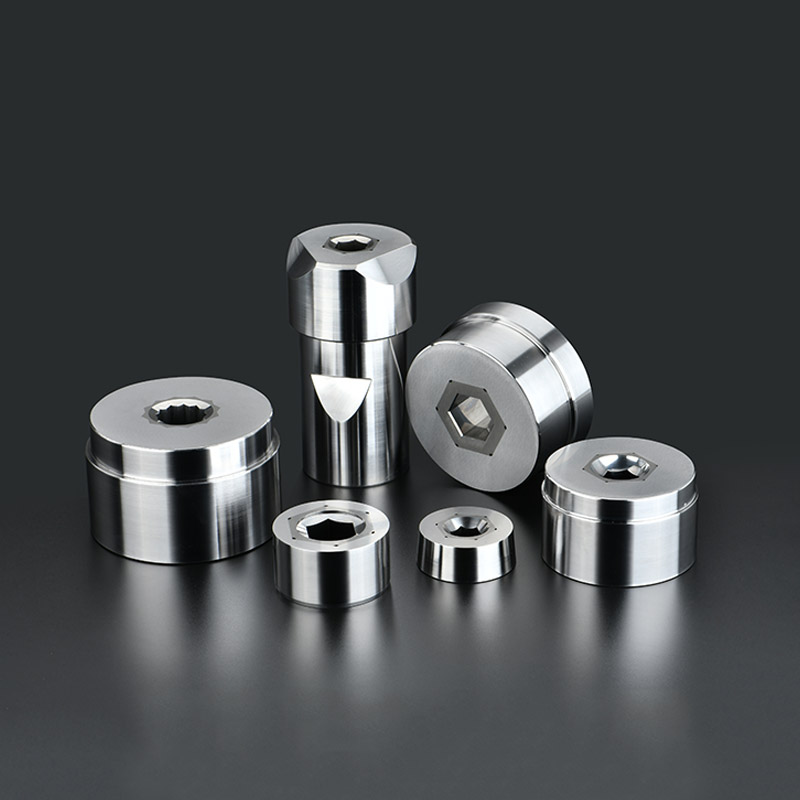
What Is Cold Forging?
Cold Forging is a manufacturing process in which metal blanks are formed under high pressure without heating the material to forging temperatures. The material is placed into a precision die and then deformed by a punch or other forming tool to achieve the desired shape.
Cold forging is commonly used with materials that have suitable forming characteristics. Depending on the product design, the process can create heads, shafts, grooves, recesses, threads, and other geometric features.
In fastener manufacturing, Cold Heading is a specialized cold forming process used to produce screws, bolts, rivets, and other fasteners at high production speeds.
What Are the Advantages of Cold Forging?
Cold forging offers several important advantages for manufacturers looking for efficient and repeatable metal forming solutions.
High Material Utilization
One of the major advantages of cold forging is excellent material utilization. Instead of removing large amounts of material through cutting, cold forging reshapes the metal blank into the required geometry.
This can significantly reduce material waste, particularly when producing large quantities of small metal components and fasteners.
High Production Efficiency
Cold forging is suitable for high-volume manufacturing because forming operations can be completed rapidly using automated equipment. Once the tooling and process parameters are properly established, manufacturers can produce large quantities of components with consistent cycle times.
This makes Cold Heading particularly valuable for fastener manufacturers producing screws, bolts, rivets, and other standardized components.
Improved Mechanical Strength
Cold deformation can improve certain mechanical characteristics of formed components through work hardening and favorable material flow. The resulting parts can offer good strength and durability when the material and forming process are properly selected.
This is one reason cold forging is widely used for demanding automotive, machinery, and industrial fastener applications.
Excellent Dimensional Consistency
A precision Cold Heading Die or Cold Forging Die controls how the metal material flows during the forming process. Accurate tooling can help manufacturers maintain consistent dimensions and repeatable product geometry across production batches.
Reduced Machining Requirements
Cold forging can create near-net-shape components, reducing the amount of subsequent machining required for certain product designs. This can help shorten production processes and reduce manufacturing costs.
Suitable for Mass Production
Because of its speed, repeatability, and material efficiency, cold forging is especially suitable for mass production. A well-designed Fastener Cold Heading Mold can support continuous production of large quantities of screws, bolts, and other fasteners.
What Is a Cold Heading Tool?
A Cold Heading Tool is a specialized forming tool used to shape metal blanks during cold heading operations. It typically works together with punches, dies, and other components in a cold heading machine.
The tool must withstand repeated impact, high forming pressure, friction, and wear. Therefore, tool material, heat treatment, dimensional accuracy, and cavity design are important factors in cold heading performance.
What Is a Cold Heading Die?
A Cold Heading Die is a precision die that provides the cavity into which the metal blank is formed. During the heading process, the blank is forced into the die cavity to create the required head or component geometry.
The design of the die depends on the part dimensions, material, forming sequence, equipment, and production requirements. For complex fasteners, multiple forming stages may be required to achieve the final shape.
Cold Heading Die Design
Proper die design is essential for controlling material flow and reducing excessive stress on the tooling. Factors such as cavity geometry, die dimensions, punch design, material selection, and forming conditions should be considered during development.
An experienced Cold Heading Die Manufacturer can develop tooling according to drawings, samples, or specific fastener requirements.
Cold Heading Mold and Cold Forming Mold
A Cold Heading Mold is designed specifically for heading operations, while a Cold Forming Mold is a broader term for tooling used to plastically deform metal into a desired shape without conventional hot forging.
Both types of tooling require high dimensional precision and sufficient resistance to impact and wear. The appropriate mold structure depends on the component being produced and the forming process used.
Materials Used for Cold Heading Dies
The material of a cold heading die has a direct influence on tool durability, wear resistance, dimensional stability, and production performance.
High-Speed Steel Cold Heading Die
A High-Speed Steel Cold Heading Die is commonly used for applications requiring a combination of hardness, toughness, wear resistance, and dimensional stability.
High-speed steel can be suitable for various cold heading applications, although the appropriate grade and heat treatment should be selected according to the workpiece material, forming pressure, production volume, and tooling requirements.
Other Tool Materials
Depending on the application, other tool materials may also be considered for cold forming and heading dies. The selection should take into account the forming load, workpiece material, required tool life, production speed, and part geometry.
Cold Forging Die for Metal Forming
A Cold Forging Die is used to control the deformation of metal during a cold forging operation. The die cavity determines the final geometry of the forged component and must withstand repeated mechanical loads.
For different applications, Cold Forging Dies may be designed for upsetting, extrusion, forward extrusion, backward extrusion, heading, or other forming operations.
Metal Forming Mold Applications
A Metal Forming Mold can be used to manufacture a wide range of components through controlled plastic deformation. Cold forming and cold forging are particularly suitable for products that require consistent dimensions and high production volumes.
Typical applications include:
Automotive fasteners
Screws and bolts
Rivets
Pins
Industrial hardware
Electrical components
Precision mechanical components
Automotive components
Construction fasteners
Machinery components
Fastener Cold Heading Mold
A Fastener Cold Heading Mold is specifically designed for manufacturing fasteners such as screws, bolts, rivets, and similar products. Fastener production requires high repeatability because even small dimensional variations can affect assembly and product performance.
Precision tooling helps control the head diameter, head height, shank dimensions, recesses, and other important features of the fastener.
For high-volume fastener production, the combination of properly designed dies, punches, forming sequences, and production equipment can help achieve stable manufacturing efficiency.
Custom Cold Heading Mold Solutions
Standard tooling may not be suitable for every fastener or metal component. For customized designs, a Custom Cold Heading Mold can be developed according to the customer's drawings, samples, material specifications, and production requirements.
Custom tooling can be designed for different:
Part dimensions
Head shapes
Fastener designs
Material types
Forming stages
Production volumes
Tool life requirements
Working with an experienced Cold Heading Mold Supplier can help manufacturers select appropriate tooling materials and optimize the mold structure for specific cold forming applications.
Why Choose a Professional Cold Heading Manufacturer?
Tooling quality has a direct impact on the efficiency and stability of cold heading production. A professional Cold Heading Manufacturer should have experience in die design, material selection, precision machining, heat treatment, and quality inspection.
When choosing a Cold Heading Mold Supplier or Cold Heading Die Manufacturer, consider the following factors:
Experience in cold heading and cold forging
Precision die manufacturing capabilities
Knowledge of different tooling materials
High-speed steel tooling capabilities
Custom mold design and manufacturing
Dimensional inspection capabilities
Tool life and wear control
Technical support
Experience with fastener manufacturing
Cold Heading vs. Hot Forging
Cold heading and hot forging are both metal forming technologies, but they operate under different temperature conditions and are suitable for different applications.
Cold Heading forms metal at or near room temperature and is particularly suitable for smaller components and high-volume fastener production. It can provide excellent material utilization and dimensional consistency.
Hot forging heats the material to a high temperature before forming, making it suitable for larger or more difficult-to-form components where hot deformation is advantageous.
The appropriate process depends on the material, component size, geometry, mechanical requirements, production volume, and manufacturing objectives.
FAQ About Cold Forging and Cold Heading
What are the main advantages of cold forging?
The main advantages of cold forging include high material utilization, reduced material waste, high production efficiency, good dimensional consistency, reduced machining requirements, and the potential for improved mechanical properties through cold deformation.
What is Cold Heading?
Cold Heading is a cold forming process commonly used to manufacture screws, bolts, rivets, and other fasteners. Metal blanks are formed under high pressure using specialized punches and dies.
What is a Cold Heading Die used for?
A Cold Heading Die provides the forming cavity used to shape a metal blank during cold heading. It helps determine the final dimensions and geometry of the formed component.
What is a Cold Heading Mold?
A Cold Heading Mold is specialized tooling used in cold heading applications to form metal blanks into specific shapes, particularly screw and fastener components.
What is a High-Speed Steel Cold Heading Die?
A High-Speed Steel Cold Heading Die is a cold heading die manufactured from high-speed steel, offering a combination of hardness, toughness, and wear resistance suitable for various forming applications.
Can cold heading molds be customized?
Yes. Custom Cold Heading Mold solutions can be manufactured according to component drawings, samples, dimensions, material requirements, forming processes, and production conditions.
How do I choose a Cold Heading Mold Supplier?
Choose a Cold Heading Mold Supplier with experience in cold heading tooling, precision die manufacturing, suitable tool materials, quality inspection, and customized mold development.
Cold forging is an efficient metal forming technology that offers excellent material utilization, high production efficiency, consistent dimensions, and reduced machining requirements. For fastener production, Cold Heading provides an effective solution for manufacturing large quantities of screws, bolts, rivets, and other components.
The performance of the tooling is critical to the success of the process. High-quality Cold Heading Tool, Cold Heading Die, Cold Heading Mold, and Cold Forging Die solutions can help manufacturers achieve stable production and consistent component quality.
Whether you need a standard Fastener Cold Heading Mold or a Custom Cold Heading Mold, working with an experienced Cold Heading Manufacturer or Cold Heading Die Manufacturer can help you select the right tooling solution for your specific metal forming requirements.