




An Inner Cutting Die is a specialized cutting tool used to create holes, openings, internal contours, or hollow sections inside a material or finished product. It is commonly used in die cutting, stamping, packaging, gasket manufacturing, foam processing, leather cutting, and other precision manufacturing applications.
Unlike a standard cutting die that may be used to cut the external profile of a product, an Inner Cutting Die focuses on removing material from the inside of a workpiece. Depending on the product design, an inner cutting die can create round holes, square openings, slots, irregular internal shapes, and other customized features.
For manufacturers that require accurate and repeatable internal cutting, custom Inner Cutting Dies provide an efficient solution for producing large quantities of identical components.
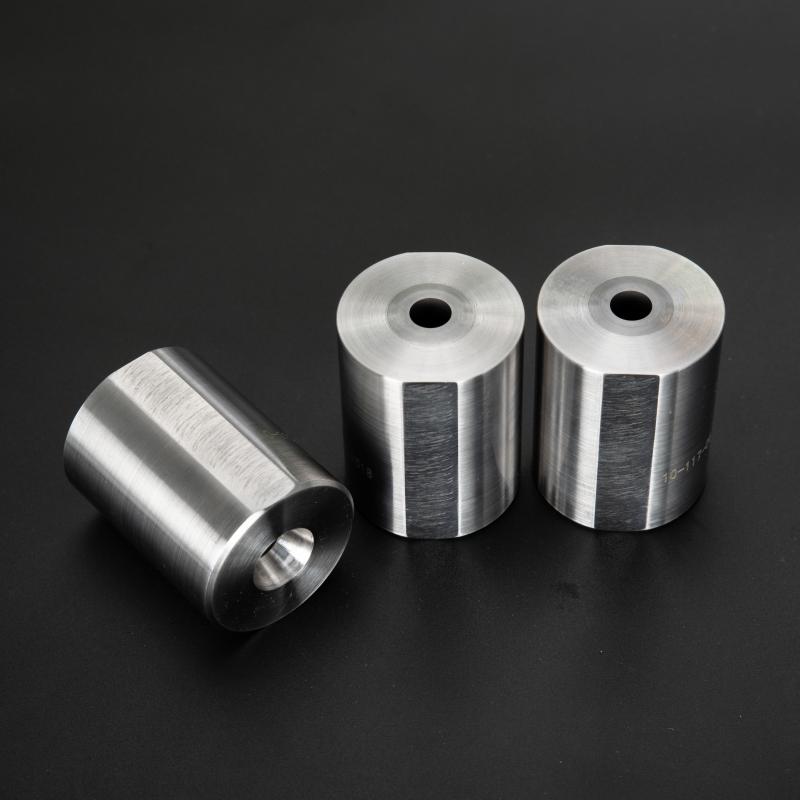
What Does an Inner Cutting Die Do?
The main function of an inner cutting die is to cut or punch a specific internal shape in a material. The die is manufactured according to the required dimensions and geometry of the product.
During the die cutting process, the material is positioned between the cutting tool and a supporting surface. Pressure is then applied to the die, allowing the cutting edge to penetrate the material and remove the unwanted internal section.
Common Internal Shapes
An inner cutting die can be designed to produce different internal features, including:
Round holes
Square and rectangular openings
Slots
Oval holes
Irregular contours
Internal cavities
Multiple holes
Customized internal profiles
The exact structure of the inner cutting die depends on the material, product shape, cutting method, and required dimensional accuracy.
Inner Cutting Die vs. Outer Cutting Die
The main difference between an inner cutting die and an outer cutting die is the area of the material being cut.
Inner Cutting Die
An inner cutting die is primarily used to remove material from the inside of a product or sheet. It is commonly used to create holes, openings, and internal contours.
Outer Cutting Die
An outer cutting die is designed to cut the external profile of a product. It determines the overall outside shape and dimensions of the finished component.
In some applications, both inner and outer cutting functions are combined into one tooling solution. This allows manufacturers to produce the complete shape in a single or streamlined die cutting operation.
How Does an Inner Cutting Die Work?
The working principle of an inner die cutting tool is relatively simple but requires accurate tooling design and manufacturing.
1. Product Design
The required internal dimensions, shape, tolerances, and material specifications are determined first. CAD drawings or technical drawings are commonly used to define the design.
2. Die Design
The cutting die is designed according to the required internal profile. Important factors include cutting clearance, material thickness, die dimensions, and production requirements.
3. Material Positioning
The material is placed accurately on the die cutting machine or tooling system. Proper positioning helps ensure that the internal cut is located correctly.
4. Cutting or Punching
Pressure is applied to the cutting die, causing the cutting edge to penetrate the material and remove the designated internal section.
5. Finished Product
After cutting, the unwanted internal material is removed, leaving the required hole, opening, or internal contour.
Materials Used for Inner Cutting Dies
The material used to manufacture an inner cutting die depends on the application and production requirements.
Common tooling materials may include:
Tool steel
Hardened steel
Carbon steel
Alloy steel
Other specialized tooling materials
For high-volume production, wear resistance and dimensional stability are particularly important because the cutting edge needs to maintain its geometry over repeated operations.
Applications of Inner Cutting Dies
Inner cutting dies are widely used across different industries where precise internal shapes are required.
Packaging and Paper Products
In packaging manufacturing, inner cutting dies can create openings and internal shapes in:
Cardboard
Corrugated board
Paper
Paperboard
Packaging inserts
They can be used together with other Cutting Tools to manufacture customized packaging products.
Gasket and Sealing Components
Inner cutting dies are frequently used to produce internal holes and profiles in gasket materials. The die can help achieve consistent dimensions across large production runs.
Foam and Rubber Products
Foam, rubber, and other flexible materials often require precise internal cutting. A custom inner cutting die can be designed for specific product geometries and material thicknesses.
Leather and Textile Products
Inner cutting tools can also be used to create openings and customized internal profiles in leather, fabric, and other sheet materials.
Electrical and Industrial Components
In electrical and industrial applications, inner cutting dies may be used for insulation sheets, protective components, seals, pads, and other precision-cut parts.
Advantages of Custom Inner Cutting Dies
A custom inner cutting die offers several advantages when standard tooling cannot meet a specific product requirement.
Precise Internal Cutting
The tooling is designed according to the required internal geometry, helping manufacturers achieve consistent holes and internal contours.
High Production Efficiency
Once the die is properly manufactured and installed, repeated cutting operations can be completed efficiently, making it suitable for batch and mass production.
Consistent Product Quality
A precision cutting die can produce repeated components with consistent shapes and dimensions, reducing variation between individual parts.
Customized Design
The internal profile, dimensions, number of cutting areas, and tooling configuration can be customized according to the application.
Reduced Manual Processing
Using an appropriate inner die cutting tool can reduce the need for manual cutting and secondary processing, improving overall production efficiency.
What Should You Consider When Choosing an Inner Cutting Die?
Selecting the correct inner cutting die requires consideration of several factors.
Material Type and Thickness
Different materials have different cutting characteristics. Paper, rubber, foam, plastic, leather, and composite materials may require different tooling designs and cutting conditions.
Internal Shape
The complexity of the required hole or internal contour directly affects die design. Simple circular holes are generally easier to manufacture than complex irregular profiles.
Dimensional Requirements
For precision applications, the required dimensions and tolerances should be clearly defined before tooling production.
Production Volume
Low-volume production, prototyping, and mass production may require different tooling solutions. High-volume applications generally place greater emphasis on tool life and wear resistance.
Cutting Method
The die may be used with different types of die cutting or punching equipment. The tooling should be compatible with the machine and production process.
Why Choose a Precision Inner Cutting Die?
A precision inner cutting die is particularly valuable when internal dimensions and repeatability are important. Properly designed tooling can help manufacturers produce consistent internal features while maintaining production efficiency.
For custom manufacturing projects, the die can be developed based on customer drawings, CAD files, samples, material specifications, and production requirements.
This makes custom inner cutting dies suitable for both specialized components and high-volume manufacturing.
FAQ About Inner Cutting Die
What is an inner cutting die?
An inner cutting die is a specialized cutting or punching tool used to create holes, openings, cavities, or internal contours in a material or product.
What is the difference between an inner cutting die and a cutting die?
A cutting die is a general term for a tool used to cut materials. An inner cutting die specifically focuses on creating internal shapes, holes, and openings.
Can an inner cutting die be customized?
Yes. A custom inner cutting die can be manufactured according to product drawings, dimensions, internal profiles, material thickness, and production requirements.
What materials can an inner cutting die process?
Depending on the tooling and machine, inner cutting dies can be used for paper, cardboard, foam, rubber, leather, plastic sheets, insulation materials, and other sheet materials.
Is an inner cutting die suitable for mass production?
Yes. When properly designed and manufactured, an inner cutting die can provide efficient and repeatable cutting for batch and mass production.
How do I choose the right inner cutting die?
Important factors include material type, material thickness, internal shape, dimensional tolerance, production volume, cutting method, and machine compatibility.
An inner cutting die is an important tooling solution for producing precise holes, openings, and internal contours in a wide range of materials. Compared with general cutting tools, it is specifically designed to control the internal geometry of a product.
Whether used for packaging, gaskets, foam products, rubber components, leather goods, electrical insulation, or industrial parts, a custom inner cutting die can improve cutting consistency, production efficiency, and product quality.
For projects requiring complex or high-precision internal cutting, working with an experienced cutting die manufacturer can help ensure that the tooling design matches the material, product geometry, and production requirements.