




Tungsten Carbide dies are precision tooling components used for forming, drawing, and shaping metal materials. Made primarily from cemented carbide with tungsten carbide as the hard phase, these dies offer high hardness, wear resistance, and compressive strength for demanding manufacturing processes.
So, what are Tungsten Carbide Dies used for? They are commonly used in cold heading, fastener manufacturing, wire drawing, metal forming, extrusion, and other precision applications. Their ability to withstand repeated pressure and friction makes them suitable for high-volume metalworking operations.
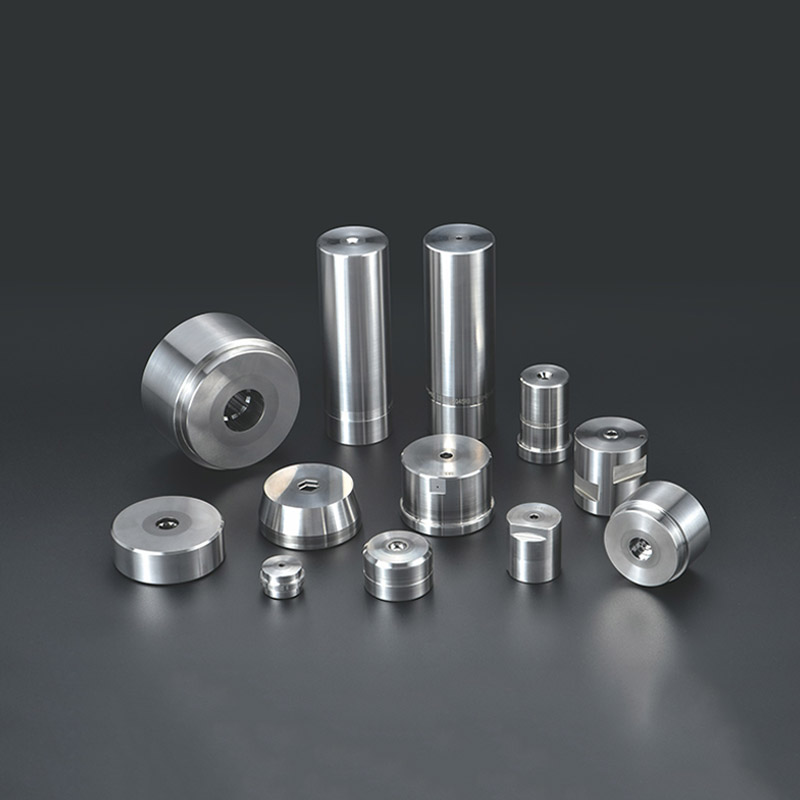
What Are Tungsten Carbide Dies?
Tungsten Carbide Dies are dies made from cemented carbide, with tungsten carbide providing the primary hardness and wear resistance. They are designed with precisely machined cavities or profiles to control the shape and dimensions of a workpiece during production.
Compared with conventional tooling materials, carbide tooling is often selected for applications where resistance to wear and compressive loads is important.
Key Features of Tungsten Carbide Dies
High hardness
Excellent wear resistance
High compressive strength
Good dimensional stability
Precise cavity and profile
Suitable for repeated forming operations
Suitable for high-volume production
Customized specifications available
What Are Tungsten Carbide Dies Used For?
Tungsten Carbide Dies are used in several metalworking processes. The specific application depends on the workpiece material, forming method, die geometry, and production requirements.
Cold Heading
One of the common applications of Tungsten Carbide Dies is cold heading. In this process, metal wire or billets are formed at room temperature under high pressure.
Carbide Cold Heading Dies are used to form components such as screws, bolts, rivets, and other fasteners. The carbide material helps the tooling withstand repeated impact, pressure, and friction during production.
Fastener Manufacturing
Fastener Dies are used to manufacture screws, bolts, nuts, rivets, and other metal fasteners. Tungsten carbide tooling can be used for different forming stages depending on the product design and manufacturing process.
Typical applications include:
Screw head forming
Bolt head forming
Rivet forming
Upsetting
Forward extrusion
Backward extrusion
Precision fastener forming
Wire Drawing
Carbide Drawing Dies are used to reduce the diameter or cross-sectional dimensions of metal wire and rods.
During wire drawing, the workpiece passes through a precisely sized die opening. The wear resistance of carbide helps maintain the die profile and dimensional consistency during repeated drawing operations.
Metal Forming
Tungsten carbide dies can also be used for various metal forming applications where the tooling is exposed to high pressure and repeated contact with the workpiece.
Depending on the product design, carbide dies can be manufactured with customized cavities and profiles to meet specific forming requirements.
Extrusion
In extrusion applications, the metal material is forced through a die to create a specific cross-sectional shape. Tungsten Carbide Tooling can be used in applications where high wear resistance and dimensional stability are required.
Why Use Tungsten Carbide Dies?
The main reason for using tungsten carbide dies is their combination of hardness, wear resistance, and compressive strength.
During cold heading, drawing, and other forming processes, the tooling may experience continuous pressure, impact, and friction. A properly selected carbide grade can provide the properties required for these working conditions.
Benefits of Carbide Tooling
High Wear Resistance
Tungsten carbide has excellent resistance to abrasive wear, making it suitable for repeated production operations.
High Hardness
The high hardness of carbide helps maintain the working profile and cavity under demanding forming conditions.
Dimensional Stability
Accurate die geometry is important for producing components with consistent dimensions. Properly designed carbide dies can maintain their profile during production.
Suitable for High-Volume Production
Tungsten carbide tooling can be used in continuous manufacturing processes where the die is subjected to repeated forming cycles.
Tungsten Carbide Dies for Fasteners
For fastener manufacturers, Tungsten Carbide Dies are commonly used together with punches and other forming tools.
During cold heading, the punch applies force to the workpiece while the die supports and controls the material. The geometry of both components must be matched to the required fastener shape.
For this reason, Carbide Cold Heading Dies and Cold Heading Punches are generally designed according to the specific product, machine, material, and forming process.
Customized Tungsten Carbide Dies
Different metal forming applications require different die dimensions, cavity profiles, tolerances, and material specifications. Customized Tungsten Carbide Dies can be manufactured according to technical drawings, samples, or specific production requirements.
Product Specifications
| Parameter | Specification |
|---|---|
| Material | Cemented Carbide / Tungsten Carbide |
| Hardness | Depends on Material (HRC 60–94) |
| Tolerance | ±0.002 mm |
| Surface Roughness | Customized |
| Cavity | Customized |
| Application | Cold Heading / Fastener Manufacturing / Metal Forming |
| Customization | OEM / ODM Available |
How to Choose Tungsten Carbide Dies?
Selecting the appropriate die depends on several factors, including the workpiece material, forming process, product geometry, production volume, machine type, and required tolerance.
For Carbide Cold Heading Dies, the carbide grade and die geometry should be suitable for repeated impact and compressive loads. For Carbide Drawing Dies, wear resistance and dimensional stability are particularly important.
The cavity design, surface finish, tolerance, and overall die structure should also be matched to the specific production requirements.
Tungsten Carbide Dies Manufacturer
Tungsten Carbide Dies are precision tooling products that require accurate machining, suitable carbide materials, and controlled die geometry. They can be customized for different applications, including cold heading, fastener manufacturing, wire drawing, and metal forming.
Whether you need Tungsten Carbide Dies, Carbide Dies, Carbide Cold Heading Dies, Carbide Drawing Dies, or Fastener Dies, customized tooling can be developed according to your drawings, samples, machine specifications, and production requirements.