




Cold forging dies are essential tools used to shape metal components through plastic deformation at or near room temperature. They apply high pressure to metal blanks, forming precise parts without the need for conventional hot forging temperatures. Cold forging dies are widely used in the automotive, fastener, electronics, machinery, and industrial manufacturing sectors.
For manufacturers producing bolts, nuts, screws, shafts, and other metal components, selecting the right cold forging dies is critical to achieving consistent product quality, reducing production downtime, and improving manufacturing efficiency.
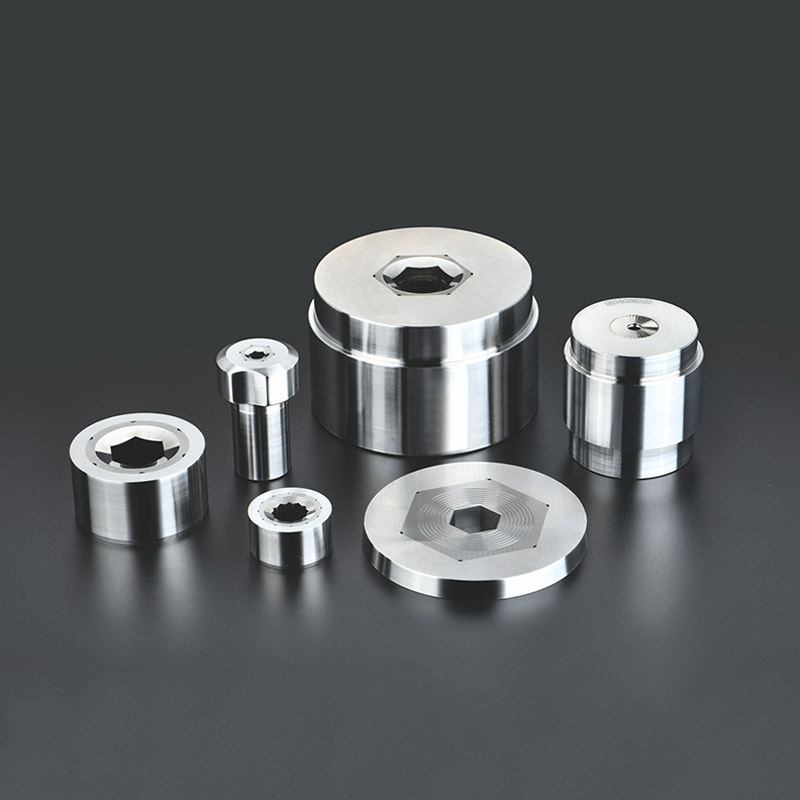
What Are Cold Forging Dies?
Cold forging dies are specialized tooling components designed for cold forging processes, including upsetting, extrusion, heading, and other metal forming operations. Unlike hot forging dies, cold forging dies operate under conditions where the workpiece generally remains at or near room temperature.
During production, a metal blank is placed into the die cavity or forming area. A punch or press applies substantial force, causing the material to flow into the required shape. The die must withstand repeated impact or compressive loading while maintaining dimensional accuracy and surface quality.
Cold forging dies are commonly used to manufacture high-volume metal components with consistent dimensions and reliable mechanical properties. Their design depends on the workpiece material, part geometry, forming process, production volume, and required tolerances.
Common Types of Cold Forging Dies
Different cold forging applications require different die structures. Choosing the correct tooling configuration helps manufacturers achieve stable production and reduce the risk of premature die failure.
Cold Heading Dies
Cold heading dies are used to form fasteners and other components by reshaping metal wire or blanks under high pressure. They are commonly used in the production of bolts, screws, rivets, and pins.
These dies require high compressive strength, wear resistance, and dimensional stability to withstand repeated forming cycles. Custom cold heading dies can be designed for different head shapes, shank dimensions, and fastener specifications.
Cold Extrusion Dies
Cold extrusion dies force metal through a shaped opening or into a defined cavity to produce components with specific cross-sectional profiles or internal structures.
Depending on the process, cold extrusion can produce solid or hollow components with relatively precise dimensions. Die design must account for forming pressure, material flow, friction, and stress concentration to reduce the risk of cracking or premature tooling failure.
Carbide Cold Forging Dies
Carbide cold forging dies are manufactured using cemented carbide, a material known for its high hardness and wear resistance. They are often selected for demanding applications involving high production volumes, abrasive materials, or strict dimensional requirements.
The appropriate carbide grade depends on the balance between hardness, toughness, compressive strength, and the operating conditions. Proper die support and alignment are also important for minimizing cracking and extending service life.
Multi-Station Cold Forging Dies
Multi-station cold forging dies are used in progressive forming operations where a component passes through several forming stages. Each station performs a specific operation, such as upsetting, extrusion, or final shaping.
This approach is widely used in high-volume fastener manufacturing because it can improve production efficiency and maintain consistent part quality. Accurate coordination between stations is essential to ensure stable material flow and reliable forming results.
What Materials Are Used for Cold Forging Dies?
Die material selection directly affects wear resistance, toughness, compressive strength, and service life. The most suitable material depends on the forming load, workpiece material, production speed, and expected operating conditions.
Tool Steel
Tool steel is widely used for cold forging dies because it can offer a practical balance of hardness, toughness, strength, and machinability after appropriate heat treatment.
The specific steel grade should be selected according to the application, forming pressure, impact conditions, and required resistance to wear or chipping.
Tungsten Carbide
Tungsten carbide is commonly used in applications requiring high hardness, compressive strength, and excellent wear resistance. Cemented carbide tooling is particularly relevant to high-volume cold heading and precision forming operations.
However, carbide is generally more sensitive to tensile stress, impact, and improper loading than tougher tool steels. Correct grade selection, die geometry, and supporting structures are therefore essential.
Other Specialized Die Materials
Depending on the application, manufacturers may consider other tool steels, powder metallurgy steels, or specialized material grades. The final choice should be based on actual operating conditions rather than hardness alone.
What Factors Affect Cold Forging Die Life?
Cold forging dies experience repeated high loads, friction, and contact stresses. Their service life depends on several interacting factors.
Die Material and Heat Treatment
The material must provide sufficient hardness, toughness, and resistance to wear under the intended working conditions. Improper heat treatment can increase the risk of cracking, chipping, or premature deformation.
Die Design and Stress Distribution
Sharp corners, sudden changes in cross-section, and unsuitable die geometry can create stress concentrations. A well-designed die helps distribute forming loads and supports stable material flow.
Workpiece Material and Lubrication
The hardness, ductility, surface condition, and composition of the workpiece influence forming pressure and friction. Suitable lubrication can reduce friction, improve surface finish, and limit wear during production.
Manufacturing Accuracy
Precision machining, grinding, and appropriate finishing help ensure that the die meets dimensional and geometric requirements. Accurate alignment between the punch, die, and press is also necessary to avoid uneven loading.
Operating Conditions
Excessive forming loads, unsuitable press settings, poor maintenance, and inconsistent production conditions can shorten die life. Regular inspection helps identify wear, cracks, and dimensional changes before they cause significant production problems.
How to Choose a Reliable Cold Forging Dies Manufacturer
For B2B buyers, choosing a qualified Cold Forging Die Manufacturer involves more than comparing unit prices. Tooling quality affects production efficiency, component consistency, and long-term manufacturing costs.
Material Selection: Confirm whether the manufacturer can recommend suitable tool steel or cemented carbide grades based on your application.
Custom Die Design: Check whether the supplier can manufacture dies according to technical drawings, samples, dimensional requirements, and specific forming processes.
Precision Manufacturing: Ask about machining capabilities, dimensional inspection, surface finishing, and quality control procedures.
Heat Treatment and Quality Assurance: Understand how the supplier controls material hardness, heat treatment consistency, and potential defects.
Application Experience: Look for experience with relevant products, such as cold heading dies, carbide dies, screw dies, bolt dies, or Nut Forming Dies.
Production Support: A reliable supplier should be able to communicate technical requirements, recommend suitable tooling solutions, and support product adjustments when necessary.
Comparing these factors helps buyers evaluate the total cost of ownership rather than focusing exclusively on the initial purchase price.
What Are Cold Forging Dies Used For?
Cold forging dies are used in many industries that require high-volume production of precision metal components.
Automotive Industry: Bolts, nuts, screws, pins, shafts, and other fasteners or formed components.
Construction Industry: Structural fasteners, threaded components, and metal joining parts.
Electronics Industry: Small precision metal parts, connectors, and fastening components.
Industrial Machinery: Custom metal fittings, pins, sleeves, and other formed components.
Hardware Manufacturing: Standard and customized screws, rivets, bolts, and related products.
The final tooling design depends on the component's geometry, material, production method, and dimensional requirements.
Custom Cold Forging Dies for Industrial Applications
Custom cold forging dies help manufacturers produce metal components that meet specific design and production requirements. Depending on the application, tooling can be developed for cold heading, cold extrusion, fastener production, and other cold forming processes.
When requesting a quotation, buyers should provide technical drawings, workpiece material specifications, target dimensions, required tolerances, production volume, and details about the forming equipment whenever possible.
These details help the tooling manufacturer evaluate the application, recommend suitable die materials, and determine the appropriate design and manufacturing process.
If you are looking for a cold forging dies manufacturer, working with a supplier that understands material selection, die design, precision manufacturing, and quality control can help improve tooling reliability and production consistency. Contact a qualified manufacturer to discuss your custom cold forging die requirements.
Frequently Asked Questions
What is the difference between cold forging dies and hot forging dies?
Cold forging dies shape metal at or near room temperature, while hot forging dies are designed for forming heated metal. Cold forging often supports high dimensional accuracy and good surface finish, whereas hot forging is suitable for applications that require greater material deformation at elevated temperatures.
Which material is best for cold forging dies?
Tool steel and cemented carbide are common choices. Tool steel offers a balance of toughness and wear resistance, while cemented carbide is often selected for applications requiring high hardness and resistance to abrasive wear. The best choice depends on forming loads, workpiece material, production volume, and die design.
How can I extend the service life of cold forging dies?
Service life can be improved through appropriate material selection, optimized die geometry, controlled heat treatment, effective lubrication, accurate machine alignment, and regular inspection. The specific measures depend on the failure mode and operating conditions.
Can cold forging dies be customized?
Yes. Custom cold forging dies can be manufactured according to technical drawings, samples, part dimensions, material specifications, and production requirements. Buyers should provide as much technical information as possible to help the manufacturer develop a suitable tooling solution.
Are tungsten carbide dies suitable for cold forging?
Tungsten carbide dies can be suitable for high-pressure, high-wear cold forging applications. Their performance depends on carbide grade, die geometry, support conditions, alignment, and the type of forming operation.