




Open Die Forging is a metal forming process that uses compressive force to shape metal between dies without completely enclosing the workpiece in a shaped die cavity. It is widely used to produce large metal components that require strength, durability, and customized dimensions.
For forging manufacturers, the quality of open die forging dies plays an important role in production efficiency, dimensional consistency, and tooling service life. Selecting the right forging die material, design, and manufacturing process can help reduce tool wear, minimize downtime, and maintain stable forging performance.
This guide explains how open die forging works, the role of forging dies, commonly used die materials, and the key factors to consider when sourcing custom open die forging tooling.
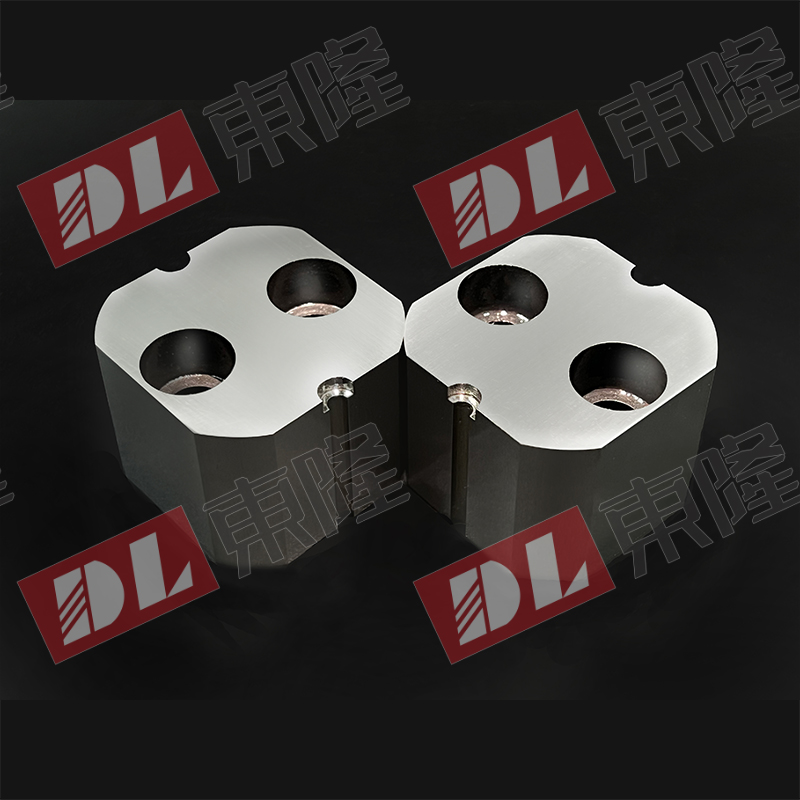
What Is Open Die Forging?
Open die forging is a forging method in which a metal workpiece is compressed between relatively simple dies, allowing the material to deform and spread rather than being fully confined within a closed die cavity.
The process is commonly performed using a hydraulic forging press or a forging hammer. The workpiece may be heated before forging, depending on the metal and the required forming conditions. The operator or automated handling system repositions the workpiece between successive forging operations to achieve the desired shape.
Unlike closed die forging, which relies on a shaped cavity to form a component, open die forging offers greater flexibility for producing large, simple, or customized shapes.
Typical open die forged products include shafts, bars, rings, discs, blocks, and other heavy-duty metal components.
How Does the open die forging process Work?
The open die forging process generally involves several stages, each of which affects the quality of the finished component and the performance of the tooling.
1. Workpiece Preparation
The process begins with selecting a suitable metal billet or ingot. The material, initial dimensions, and required mechanical properties determine the preparation and forging conditions.
For hot open die forging, the workpiece is heated to an appropriate temperature before forming. The heating process must be controlled to support consistent deformation and avoid excessive oxidation or other material defects.
2. Positioning Between the Dies
The workpiece is positioned between the upper and lower forging dies. These dies provide the contact surfaces through which the press or hammer transfers force to the metal.
Depending on the application, the tooling may use flat dies, shaped dies, or specialized die profiles to achieve the required deformation.
3. Applying Compressive Force
A forging press or hammer applies force to the workpiece, causing the metal to deform. Repeated forging strokes and controlled repositioning gradually reduce the cross-section, increase the length, or develop other required dimensions.
The die surfaces must withstand substantial compressive loads and repeated contact with the workpiece.
4. Dimensional Control and Finishing
The workpiece is inspected during or after forging to confirm that its dimensions and shape meet the production requirements. Additional operations may include heat treatment, machining, and nondestructive testing, depending on the component and industry standards.
Throughout the process, suitable die design and consistent operating conditions help support repeatable production quality.
What Are Open Die Forging Dies?
Open die forging dies are tooling components used to transfer forming force to a metal workpiece during open die forging. They are commonly installed in forging presses or hammers and can be designed with flat or shaped working surfaces, depending on the intended application.
Unlike closed die tooling, open die forging dies generally do not contain a complete cavity that defines the entire geometry of the finished part. Instead, the dies work with controlled deformation, repeated strokes, and workpiece movement to produce the required shape.
For forging manufacturers, choosing suitable open die forging tooling involves evaluating the die geometry, material properties, working load, machine compatibility, and expected production conditions.
Flat Dies
Flat dies have relatively simple working surfaces and are used for operations such as upsetting, flattening, and reducing the cross-section of a workpiece.
Their straightforward design makes them useful for a range of forging operations involving bars, billets, and other metal stock.
Shaped Dies
Shaped dies feature specific working profiles designed to control material deformation. Depending on the application, they may be used to form particular sections, improve material flow, or achieve a required preliminary shape.
The die profile must be designed around the workpiece geometry and forging sequence to avoid unnecessary stress concentrations and uneven deformation.
Custom Open Die Forging Tooling
Custom open die forging tooling is developed for specific equipment, workpiece dimensions, material grades, and manufacturing requirements.
A custom solution may involve special die dimensions, working surface profiles, mounting arrangements, or material specifications. Providing accurate drawings and machine details helps the tooling manufacturer assess compatibility and recommend an appropriate design.
What Materials Are Used for Open Die Forging Dies?
Material selection is a key consideration when purchasing open die forging dies. The tooling must withstand repeated mechanical loads, friction, and, in hot forging applications, elevated contact temperatures.
The most suitable material depends on the forging temperature, workpiece material, die geometry, impact conditions, and expected production volume.
Hot Work Tool Steel
Hot work tool steels are commonly considered for tooling exposed to elevated temperatures and repeated thermal and mechanical loading. Depending on the grade and heat treatment, these steels can offer a useful combination of hot strength, toughness, and resistance to thermal fatigue.
They may be suitable for certain shaped dies and specialized forging applications, but the exact grade should be selected according to the actual operating conditions.
Alloy Steel
Suitable alloy steels may be used for forging dies and tooling components that require strength, toughness, and resistance to mechanical loading. Their performance depends on the specific alloy composition, heat treatment, working conditions, and die design.
For larger tooling components, the material's quality and consistency are important considerations during procurement.
Material Selection for Custom Dies
There is no single material that is best for every open die forging application. A die used for hot forging may face different challenges from one used under cooler operating conditions or in a specialized forming process.
Before placing an order, buyers should discuss the following factors with the manufacturer:
Workpiece material and forging temperature
Type and capacity of the forging press or hammer
Required die dimensions and working surface geometry
Expected production volume and loading conditions
Required hardness, toughness, and wear resistance
Heat treatment and inspection requirements
Matching the material to the application helps balance tooling cost, durability, and manufacturing performance.
How to Improve Open Die Forging Die Wear Resistance and Service Life
Open die forging dies are exposed to repeated loading and contact with metal workpieces. Over time, wear, cracking, deformation, or surface damage may affect tooling performance.
Although actual die life varies by application, several factors can help improve durability.
Select the Right Die Material
The die material should provide suitable strength, toughness, and wear resistance for the intended process. Excessive hardness without sufficient toughness may increase the risk of cracking or chipping under impact or uneven loading.
Material selection should therefore consider the complete operating environment rather than hardness alone.
Optimize Die Design
Appropriate die geometry helps distribute loads and reduce localized stress. The working surface, die dimensions, mounting structure, and contact area should be designed around the equipment and workpiece.
For custom open die forging dies, accurate technical drawings and clear application requirements help reduce design mismatches.
Control Heat Treatment
Proper heat treatment helps develop the required material properties. Inconsistent heat treatment may lead to unsuitable hardness, reduced toughness, or premature tooling failure.
Buyers should confirm the manufacturer's material specifications, heat treatment procedures, and inspection methods.
Maintain Proper Alignment
Misalignment between the dies and the forging equipment can result in uneven loading, localized wear, and reduced tooling life.
Regular equipment checks, correct installation, and appropriate maintenance help keep the dies operating under suitable conditions.
Monitor Wear During Production
Routine inspection can identify wear, surface damage, dimensional changes, or early signs of cracking. Timely maintenance or replacement helps prevent tooling problems from affecting component quality or causing unexpected downtime.
What Are the Applications of Open Die Forging?
Open die forging is widely used in industries that require large, strong, or customized metal components.
Heavy Machinery
Open die forging can produce large shafts, bars, discs, and other components used in heavy industrial machinery. Suitable tooling helps manufacturers maintain consistent deformation and dimensional control.
Oil and Gas
The oil and gas industry uses forged components in demanding applications, including certain large fittings, flanges, and pressure-related equipment parts. Material selection, forging quality, and subsequent inspection must meet the relevant application requirements.
Power Generation
Power generation equipment may require large shafts, discs, and other forged components designed to withstand mechanical loads and demanding operating environments.
Automotive and Transportation
Open die forging can be used for selected large or specialized automotive and transportation components. The process is particularly useful where component size, material properties, or customized geometry make open die forging appropriate.
Aerospace and Industrial Engineering
Certain aerospace and engineering applications use open die forged components made from steel, titanium alloys, and other suitable metals. These applications may require strict material traceability, process control, and inspection.
The required tooling design depends on the workpiece material, component geometry, equipment capacity, and applicable quality standards.
How to Choose a Reliable Open Die Forging Dies Manufacturer
For B2B buyers, choosing an open die forging dies manufacturer involves evaluating more than the initial tooling price. Material quality, manufacturing accuracy, and compatibility with existing forging equipment can all influence long-term production costs.
Material Quality and Traceability
Ask about the proposed die material, material certification where applicable, and the quality control measures used to verify material consistency.
Custom Manufacturing Capability
A qualified supplier should be able to evaluate technical drawings, dimensions, working surface profiles, and machine requirements before recommending a tooling solution.
Heat Treatment and Quality Control
Confirm whether the supplier can meet the required hardness and material performance specifications and provide relevant inspection documentation when requested.
Manufacturing Precision
Check the supplier's capabilities in machining, grinding, dimensional inspection, and working surface finishing. Appropriate manufacturing accuracy supports reliable installation and consistent die performance.
Application and Technical Support
A supplier that understands forging loads, die wear, equipment compatibility, and material selection can help identify potential tooling issues before production begins.
When comparing suppliers, consider the expected service life, maintenance requirements, production stability, and replacement costs alongside the purchase price.
Custom Open Die Forging Dies for Your Production Needs
Custom open die forging dies can be designed and manufactured to meet specific equipment and production requirements. Whether you need flat dies, shaped dies, or specialized forging tooling, the correct solution depends on your forging process, workpiece material, required dimensions, and operating conditions.
To help a manufacturer evaluate your project, prepare the following information:
Technical drawings or die dimensions
Workpiece material and approximate size
Forging temperature and forming process
Press or hammer specifications
Required die material and hardness, if specified
Expected production volume and service requirements
Inspection and quality documentation requirements
Providing these details helps the manufacturer assess the application and recommend suitable tooling materials, design features, and manufacturing processes.
If you are sourcing custom open die forging dies or open die forging tooling, work with a manufacturer that can evaluate your technical requirements and provide a solution suited to your equipment and production conditions. Contact the supplier to discuss your drawings, material requirements, and custom tooling needs.
Frequently Asked Questions
What is the difference between open die forging and closed die forging?
Open die forging shapes metal between dies without fully enclosing the workpiece in a shaped cavity. Closed die forging uses a die cavity to control the workpiece's shape more closely. Open die forging is often suitable for large or customized components, while closed die forging is commonly used for parts requiring more defined shapes and repeatable geometry.
What materials are used for open die forging dies?
Depending on the application, open die forging dies may be made from suitable tool steels or alloy steels. Hot work tool steels may be considered where elevated temperatures and thermal fatigue are important factors. The final material selection depends on forging conditions, equipment, loading, and required service life.
How long do open die forging dies last?
There is no universal service life for open die forging dies. Their durability depends on material quality, heat treatment, die design, forging temperature, impact or compressive loading, alignment, and maintenance. Evaluating the actual operating conditions is the most reliable way to estimate tooling life.
Can open die forging dies be customized?
Yes. Custom open die forging dies can be manufactured according to technical drawings, dimensions, equipment specifications, and application requirements. Buyers should provide workpiece details, machine information, and expected operating conditions to support accurate tooling design.
How can I reduce the cost of open die forging dies?
Buyers can evaluate total tooling cost by considering material suitability, manufacturing accuracy, expected service life, maintenance needs, and replacement frequency. Selecting the lowest-priced die may not provide the best long-term value if it wears quickly or causes production interruptions.
What should I provide when requesting a quotation for open die forging tooling?
Provide drawings or dimensions, workpiece material, forging temperature, equipment specifications, expected production volume, and any required material or inspection standards. More complete information helps the manufacturer assess the project and prepare a suitable quotation.