




Fastener dies are essential tools for manufacturing screws, bolts, nuts, and other metal fasteners. Designed to withstand high pressure and repeated forming cycles, these dies help manufacturers achieve consistent dimensions, reliable product quality, and efficient production. Choosing a reliable fastener dies manufacturer is important for improving production efficiency, reducing tool wear, and maintaining stable manufacturing performance.
Donglong Mould specializes in precision mold and die manufacturing, providing tooling solutions for cold heading and cold forging applications. With a focus on material quality, machining accuracy, and application-specific design, we help fastener manufacturers find suitable dies for different production requirements.
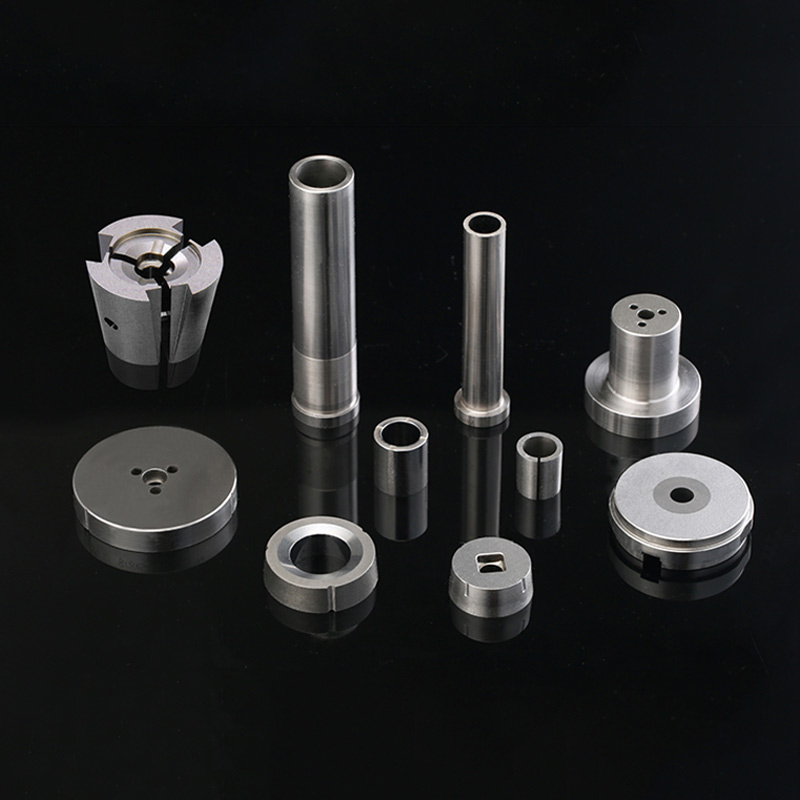
What Are Fastener Dies?
Fastener dies are specialized industrial tools used to shape metal wire or blanks into fasteners through processes such as cold heading, cold forging, and other forming operations. Depending on the fastener design and manufacturing process, the tooling may include forming dies, punches, trimming dies, and thread-related tooling.
High-quality fastener dies are essential for maintaining dimensional accuracy, achieving consistent forming results, and minimizing defects during mass production. Their performance depends on factors such as die material, cavity design, surface finish, forming pressure, and production conditions.
Types of Fastener Dies
Different fasteners require different tooling structures. Selecting the right die depends on the product geometry, material, machine type, and required production volume.
Screw Dies
Screw dies are used in screw manufacturing, particularly during cold heading and forming operations. They help shape screw heads and other features according to the required design. Precision screw dies support consistent dimensions and repeatable forming results, making them suitable for high-volume fastener production.
Bolt Dies
Bolt dies are designed for forming bolt heads and other required features during metal forming operations. They must withstand substantial forming pressure while maintaining dimensional stability. Properly designed bolt dies help manufacturers produce bolts with consistent head geometry and reliable production performance.
Nut Dies
Nut dies are used in the forming of different types of nuts. Depending on the production process, the tooling may be designed to create the required blank shape and prepare the workpiece for subsequent machining or thread processing. Accurate nut dies help improve forming consistency and reduce material waste.
Cold Heading Dies
Cold heading dies are widely used to manufacture screws, bolts, rivets, and other fasteners at room temperature. The process forms metal blanks through controlled pressure without requiring conventional hot heating of the workpiece.
High-quality cold heading dies need excellent wear resistance, compressive strength, and dimensional stability. These characteristics help support repeated forming cycles and consistent product quality.
Tungsten Carbide Dies
Tungsten Carbide Dies are commonly used in demanding fastener manufacturing applications because of their high hardness and wear resistance. They are particularly suitable for tooling exposed to repeated contact, friction, and high compressive loads.
The appropriate carbide grade should be selected according to the workpiece material, forming pressure, machine conditions, and expected service life.
Key Features of High-Quality Fastener Dies
High Dimensional Accuracy
Precision machining and careful cavity design help fastener dies produce components that meet specified dimensional requirements. Accurate tooling also supports stable production and reduces the need for excessive downstream correction.
Excellent Wear Resistance
Fastener manufacturing often involves repeated forming cycles and high contact pressure. Suitable tool steel or Tungsten Carbide materials can improve wear resistance and help maintain die performance over time.
Reliable Forming Performance
Well-designed fastener dies promote stable material flow during forming. Appropriate die geometry and surface finishing can help reduce forming defects and improve consistency across production batches.
Custom Tooling Solutions
Fasteners vary in size, shape, material, and application. Custom fastener dies can be developed to match specific product drawings, machine configurations, and manufacturing processes rather than relying on a one-size-fits-all design.
Support for High-Volume Production
In mass production, tooling consistency is essential. Properly manufactured dies can help reduce unplanned downtime, maintain repeatable forming results, and improve overall production efficiency.
How to Choose the Right Fastener Die Manufacturer
Selecting a reliable fastener die manufacturer requires more than comparing prices. Buyers should evaluate several important factors before placing an order.
Material selection: Confirm that the manufacturer can recommend suitable die materials for the intended forming process and production conditions.
Manufacturing precision: Ask about machining capabilities, dimensional inspection, and quality control procedures.
Application experience: Look for experience with the relevant tooling category, such as cold heading dies, screw dies, bolt dies, or nut dies.
Customization capability: Provide product drawings, material specifications, and machine information to determine whether the manufacturer can develop tooling for your requirements.
Service life and cost: Consider expected tool life, maintenance requirements, production stability, and replacement frequency rather than focusing only on the initial purchase price.
Applications of Fastener Dies
Fastener dies are used across a wide range of industries where reliable mechanical fastening is required.
Automotive manufacturing: Screws, bolts, nuts, and specialized fastening components.
Construction: Structural fasteners and hardware used in building and infrastructure projects.
Machinery and equipment: Fasteners for industrial machines, assemblies, and mechanical systems.
Railway and infrastructure: Specialized fasteners used in rail systems, bridges, and related applications.
Electronics and appliances: Small precision fasteners for product assembly.
The tooling design and material selection should match the required fastener specifications and the production environment.
Why Choose Donglong Mould for Fastener Dies?
Donglong Mould provides mold and die manufacturing solutions for industrial forming applications. We understand that reliable tooling is essential for maintaining product consistency and production efficiency.
Our approach focuses on application-specific tooling design, appropriate material selection, precision manufacturing, and quality inspection. Whether you require screw dies, bolt dies, nut dies, or other cold heading tooling, the tooling specifications can be evaluated according to your drawings and manufacturing requirements.
For customized fastener dies, buyers can provide the fastener drawings, workpiece material, target dimensions, production machine details, and expected production volume. These details help establish the appropriate tooling structure and material specifications.
Contact Donglong Mould to discuss your fastener die requirements and explore a tooling solution suited to your production process.
Frequently Asked Questions
What are fastener dies used for?
Fastener dies are used to form metal components such as screws, bolts, nuts, and rivets. They help control the shape and dimensions of fasteners during cold heading, cold forging, and related manufacturing operations.
What is the difference between fastener dies and cold heading dies?
Fastener dies is a broad term for tooling used to manufacture different types of fasteners. Cold heading dies specifically refer to dies used in the cold heading process. Cold heading dies are therefore one category of fastener dies.
Which materials are commonly used for fastener dies?
Tool steels and tungsten carbide are common materials. The appropriate choice depends on forming pressure, workpiece material, production speed, wear requirements, and the desired service life.
Can fastener dies be customized?
Yes. Custom fastener dies can be designed according to product drawings, fastener dimensions, workpiece materials, machine specifications, and manufacturing processes.
How can I extend the service life of fastener dies?
Selecting appropriate die materials, maintaining correct machine settings, ensuring proper lubrication, monitoring wear, and performing regular inspections can help extend tooling service life.