




Carbide Nut Die is an essential tooling component used in cold heading processes to manufacture metal nuts with consistent dimensions, precise shapes, and excellent surface quality. Made from high-quality Tungsten Carbide, these dies offer outstanding hardness, wear resistance, and compressive strength, making them suitable for high-volume nut production.
As an important type of Carbide Cold Heading Dies, carbide nut dies are designed to withstand repeated impact forces and high-pressure forming conditions. They help manufacturers improve production efficiency, maintain dimensional accuracy, and extend tool service life in industrial fastener manufacturing.
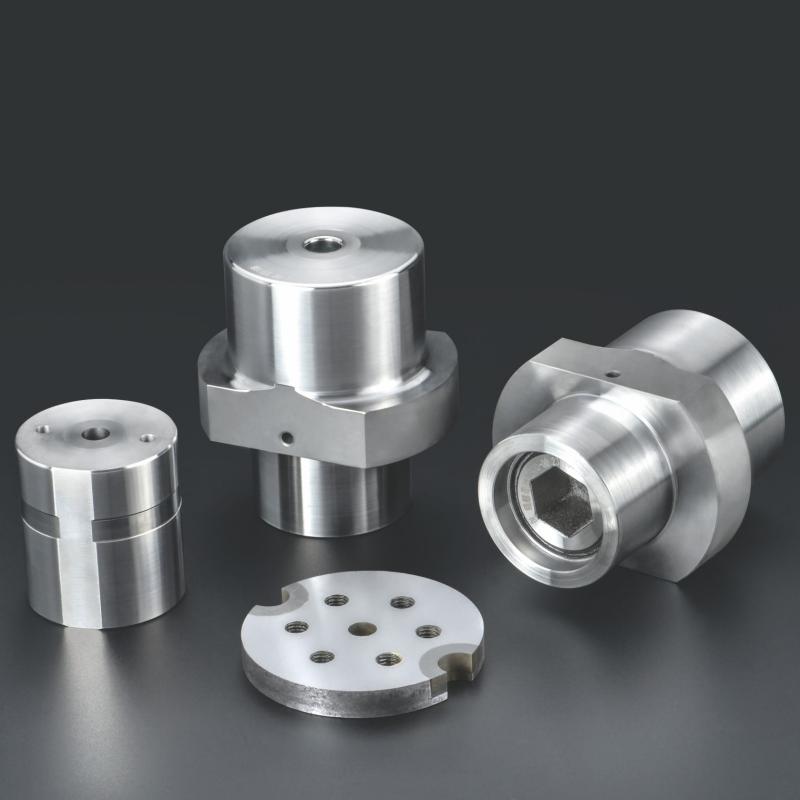
What Is a Carbide Nut Die?
A Carbide Nut Die is a specialized forming tool used to produce nuts from metal wire or preformed metal blanks through a cold heading process.
Unlike conventional steel dies, Tungsten Carbide Nut Forming Dies feature higher hardness and excellent resistance to deformation and abrasive wear. These properties make them particularly suitable for continuous production environments where tooling stability and product consistency are critical.
Carbide Nut Dies are commonly used in multi-station cold heading machines to form different nut geometries, including hex nuts and other customized fastener shapes.
How Do Carbide Nut Forming Dies Work?
Carbide Nut Forming Dies work by applying high pressure to metal blanks during the cold heading process. The material is progressively deformed into the required nut shape without heating it to its melting point.
The typical forming process includes:
Material Feeding: Metal wire is fed into the cold heading machine and cut into blanks of the required length.
Initial Forming: The blank is positioned inside the forming station and shaped through controlled pressure.
Nut Shaping: The metal material is compressed into the required external geometry using specialized Nut Forming Dies.
Hole Punching: A punch forms the central hole of the nut according to the required dimensions.
Final Inspection: The finished nuts are checked for dimensional accuracy, surface quality, and structural consistency.
Throughout this process, Carbide Cold Heading Dies provide stable forming support and help maintain consistent production quality.
Why Choose Tungsten Carbide for Nut Forming Dies?
Tungsten Carbide is widely used in precision cold heading tooling because of its excellent mechanical properties. It combines high hardness with strong compressive strength, making it suitable for demanding metal forming applications.
Key advantages include:
1. Excellent Wear Resistance
During continuous nut production, dies experience repeated contact with metal blanks under high pressure. Tungsten Carbide offers excellent wear resistance, helping reduce dimensional changes and maintain consistent nut quality over extended production cycles.
2. High Hardness and Compressive Strength
Carbide Heading Dies must withstand significant forming pressure and repeated mechanical impact. Tungsten Carbide provides high hardness and compressive strength, helping the dies resist deformation during demanding cold heading operations.
3. Long Service Life
Compared with conventional tool steel alternatives, properly designed and manufactured carbide dies can offer longer service life in suitable production conditions. This helps reduce tooling replacement frequency, machine downtime, and overall production costs.
4. High Dimensional Accuracy
Precision-machined Carbide Nut Dies help maintain stable forming dimensions and consistent product geometry. This is especially important for manufacturers producing nuts with strict dimensional tolerances.
5. Suitable for High-Volume Production
With their wear resistance and dimensional stability, Carbide Cold Heading Dies are suitable for automated and continuous fastener manufacturing lines.
Common Applications of Carbide Nut Dies
Carbide Nut Dies are widely used in the fastener and metal forming industries, particularly in applications requiring reliable tooling performance and consistent product dimensions.
Typical applications include:
Hex Nut Manufacturing: Forming standard hexagonal nuts for industrial fastening applications.
Automotive Fasteners: Producing nuts used in automotive assemblies and mechanical components.
Construction Fasteners: Manufacturing nuts for structural connections and construction hardware.
Industrial Machinery: Producing precision nuts for machinery, equipment, and mechanical assemblies.
Customized Fasteners: Supporting the production of special-shaped nuts and non-standard fastening components.
Different nut designs and production requirements may require customized Carbide Nut Forming Dies.
Carbide Nut Dies vs. Conventional Steel Dies
Both carbide and steel dies are used in metal forming applications, but they have different performance characteristics.
| Comparison | Tungsten Carbide Dies | Conventional Steel Dies |
|---|---|---|
| Hardness | Very high | Generally lower |
| Wear Resistance | Excellent | Moderate to high, depending on grade and treatment |
| Compressive Strength | Excellent | Depends on steel grade |
| Dimensional Stability | Excellent under suitable conditions | Depends on operating conditions |
| Service Life | Often longer in suitable applications | May require more frequent replacement |
| Initial Cost | Generally higher | Generally lower |
The right tooling material depends on production volume, workpiece material, forming pressure, machine conditions, and required service life.
How to Choose the Right Carbide Nut Die?
Selecting the right Carbide Nut Die is important for achieving stable production and consistent product quality. Manufacturers should consider several factors before placing an order.
1. Workpiece Material
Different materials, such as carbon steel, alloy steel, and stainless steel, have different forming characteristics. The carbide grade and die design should match the material being processed.
2. Nut Specifications
Nut dimensions, shape, hole diameter, and dimensional tolerances directly influence die design. Accurate product drawings help ensure proper tooling configuration.
3. Cold Heading Machine Compatibility
The die dimensions and structure must match the cold heading machine, including its forming stations, installation requirements, and operating conditions.
4. Tungsten Carbide Grade
Different carbide grades offer different combinations of hardness, toughness, and wear resistance. Selecting the appropriate grade helps balance tool life and resistance to cracking or chipping.
5. Manufacturing Precision
Precision grinding, dimensional inspection, and surface finishing are important for ensuring consistent die performance and reliable production results.
Why Work with a Professional Carbide Heading Dies Manufacturer?
Choosing an experienced Carbide Heading Dies manufacturer is important for maintaining tooling quality and production efficiency.
A professional manufacturer should provide:
High-quality Tungsten Carbide materials.
Precision machining and grinding processes.
Customized die dimensions and configurations.
Strict dimensional and quality inspections.
Technical support based on actual cold heading applications.
Consistent manufacturing quality and reliable delivery.
Whether you need standard Cold Heading Dies or customized Nut Forming Dies, working with a reliable tooling supplier can help improve production stability and reduce long-term manufacturing costs.
Frequently Asked Questions About Carbide Nut Dies
1. What is a Carbide Nut Die used for?
A Carbide Nut Die is used to form metal blanks into different types of nuts during cold heading operations. It helps achieve accurate dimensions, consistent shapes, and stable production performance.
2. Why are Tungsten Carbide Dies used in cold heading?
Tungsten Carbide Dies offer high hardness, excellent wear resistance, and strong compressive strength. These properties make them suitable for handling repeated pressure and demanding conditions in cold heading processes.
3. Are Carbide Cold Heading Dies suitable for stainless steel nuts?
Yes. Carbide Cold Heading Dies can be used for stainless steel nut production. However, the carbide grade and die structure should be selected according to the stainless steel grade, forming pressure, and production requirements.
4. What is the difference between Carbide Heading Dies and Carbide Nut Dies?
Carbide Heading Dies is a broader category of tungsten carbide tooling used in cold heading applications. Carbide Nut Dies are specifically designed for nut forming and related fastener manufacturing processes.
5. Can Carbide Nut Dies be customized?
Yes. Carbide Nut Dies can be customized according to nut drawings, dimensions, machine specifications, workpiece materials, and production requirements.
6. How can I extend the service life of Carbide Cold Heading Dies?
Choosing the correct carbide grade, ensuring proper die installation, maintaining suitable lubrication, and controlling forming conditions can help reduce excessive wear and prevent premature cracking or chipping.
Get Custom Carbide Nut Dies for Your Production Needs
Looking for reliable Carbide Nut Dies for your cold heading operations?
We provide tungsten carbide tooling solutions designed to meet different nut forming requirements. From material selection to precision machining, our team focuses on delivering consistent tooling quality and application-specific solutions.
Contact us with your product drawings, dimensions, and machine specifications to discuss your customized Carbide Nut Die requirements.