




A Six-Piece Combination Die is a precision tooling solution designed for metal forming and cold heading applications. It consists of multiple individual components assembled into an integrated die structure to meet specific forming requirements. By combining different tooling elements, this type of die can provide reliable support, dimensional accuracy, and stable performance during industrial manufacturing processes.
Manufactured with high-quality tool steel and Tungsten Carbide components, a Carbide Combination Die is designed to withstand high forming pressure, repeated impact, and continuous production conditions. Six-Piece Combination Dies are particularly useful in specialized cold heading operations where tooling structure, wear resistance, and forming precision are essential.
For fastener manufacturers and industrial tooling users, selecting the right Combination Die can help improve production efficiency, maintain product consistency, and reduce tooling maintenance costs.
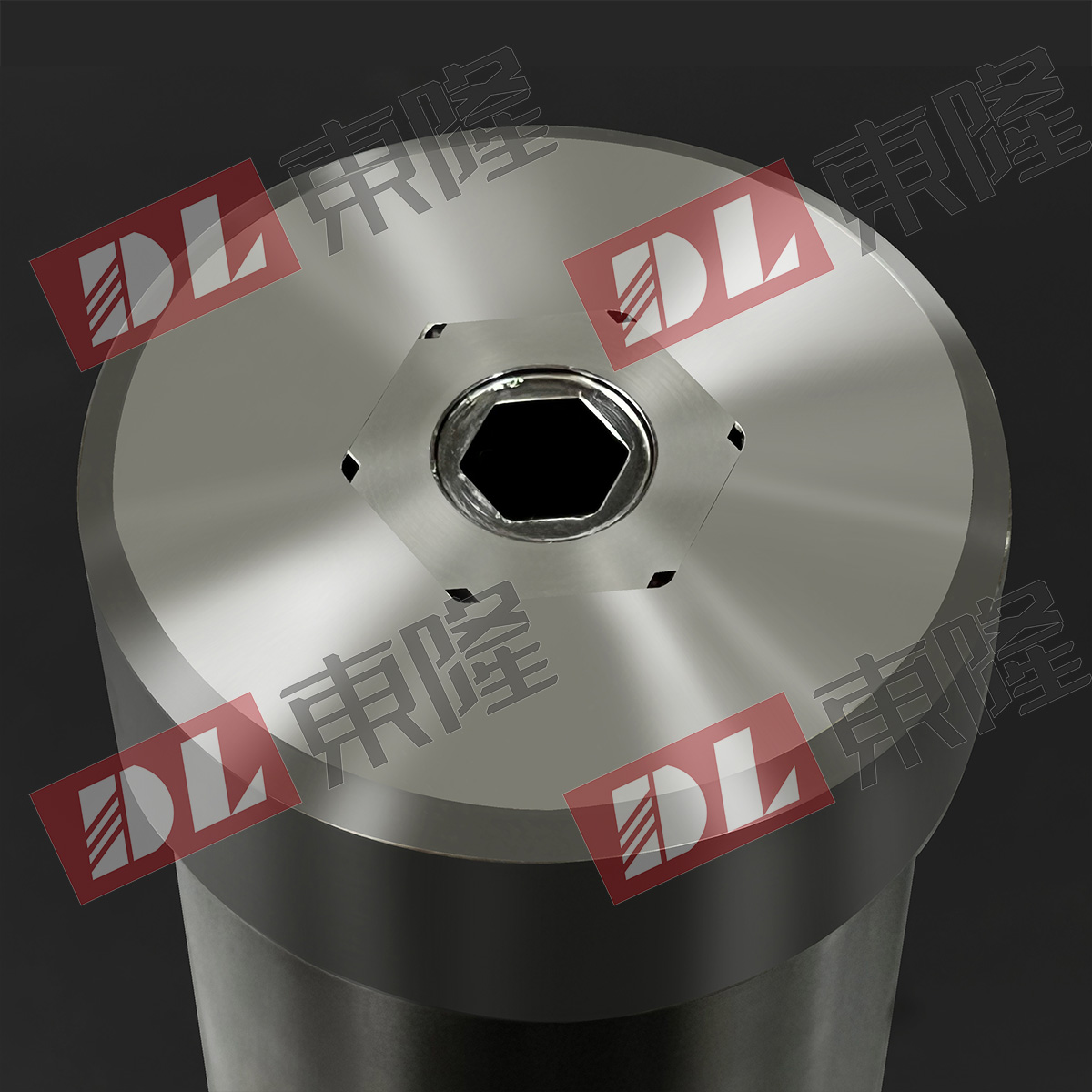
What Is a Six-Piece Combination Die?
A Six-Piece Combination Die is a multi-component die assembly consisting of six individual parts or structural elements designed to work together during the forming process.
Unlike a conventional single-piece die, a Combination Die integrates multiple components to perform specific functions, such as positioning, supporting, guiding, and forming metal materials.
In cold heading applications, Tungsten Carbide Combination Dies are commonly used in tooling structures that require high hardness, wear resistance, and compressive strength.
The exact configuration of a Six-Piece Combination Die depends on its application, machine requirements, and product specifications. Its design can be customized to accommodate different metal forming processes and manufacturing requirements.
What Are the Main Components of a Six-Piece Combination Die?
The structure of a Six-Piece Combination Die varies depending on the tooling design. A typical multi-component die assembly may include the following elements:
1. Die Case
The die case provides external support and holds the internal components in their correct positions. It helps maintain the overall structural stability of the die assembly during operation.
2. Tungsten Carbide Insert
The Tungsten Carbide Insert is a key working component in many Carbide Die assemblies. It offers excellent hardness and wear resistance, making it suitable for high-pressure metal forming applications.
3. Die Core
The die core helps define the forming geometry and supports the workpiece during the manufacturing process. Its dimensions and internal structure are determined by the required product shape.
4. Backing Plate
The backing plate provides additional support to the die structure and helps distribute forming loads during operation.
5. Retainer
The retainer is used to secure and position specific components within the die assembly, helping maintain proper alignment during production.
6. Supporting Component
Additional supporting components may be incorporated to improve assembly stability, positioning accuracy, and tooling performance.
The actual six-piece configuration should always be confirmed through the manufacturer's technical drawings and product specifications.
How Does a Six-Piece Combination Die Work?
A Six-Piece Combination Die works by integrating multiple tooling components into one functional assembly. During metal forming, each component performs a specific role to support the workpiece and maintain the required forming geometry.
In a typical cold heading application, the process involves several stages:
Material Feeding: Metal wire or a prepared metal blank is fed into the cold heading machine.
Positioning: The workpiece is positioned within the die assembly to ensure accurate forming.
Pressure Application: The punch applies controlled pressure to deform the metal material.
Shape Formation: The die components work together to guide and support the material as it takes the required shape.
Product Inspection: The finished component is inspected for dimensional accuracy, surface quality, and forming consistency.
A properly designed Cold Heading Combination Die helps maintain stable production conditions and consistent product dimensions.
Advantages of Tungsten Carbide Combination Dies
Material selection plays an important role in the performance and service life of industrial tooling. Tungsten Carbide is widely used in precision die manufacturing because of its excellent mechanical properties.
1. Excellent Wear Resistance
During continuous metal forming, die components experience repeated friction and contact with metal materials. Tungsten Carbide offers excellent wear resistance, helping reduce surface deterioration and maintain dimensional stability.
2. High Hardness and Compressive Strength
Carbide Combination Dies are suitable for applications involving high forming pressure. Tungsten Carbide provides high hardness and compressive strength, helping critical working components resist deformation.
3. Improved Dimensional Stability
Precision-machined Tungsten Carbide Combination Dies help maintain consistent tooling dimensions throughout production. This is important for manufacturers producing metal components with strict dimensional requirements.
4. Longer Tooling Service Life
Compared with conventional tool steel solutions, properly selected and manufactured carbide components can offer longer service life in suitable applications. This can reduce tooling replacement frequency and production interruptions.
5. Flexible Structural Design
A Six-Piece Combination Die integrates multiple components into one tooling assembly. This modular structure allows manufacturers to design specific configurations according to different forming requirements.
Applications of Six-Piece Combination Dies
Six-Piece Combination Dies are suitable for specialized metal forming applications where multiple tooling components need to work together to achieve the required forming results.
Common industrial applications include:
Cold Heading: Used in specialized cold heading tooling assemblies for metal forming operations.
Fastener Manufacturing: Supports the production of bolts, screws, nuts, and other metal fasteners, depending on the die design.
Automotive Components: Used in tooling solutions for manufacturing precision metal parts and automotive fasteners.
Industrial Machinery: Suitable for forming metal components used in machinery and mechanical equipment.
Customized Metal Forming: Designed for special forming requirements involving complex geometries and customized tooling structures.
The actual application depends on the die configuration, material, machine compatibility, and production process.
Six-Piece Combination Die vs. Conventional Single-Piece Die
Different die structures offer different advantages depending on the manufacturing process and tooling requirements.
| Comparison | Six-Piece Combination Die | Single-Piece Die |
|---|---|---|
| Structure | Multiple assembled components | Integrated single component |
| Design Flexibility | Flexible component configuration | More limited structural flexibility |
| Maintenance | Some components may be replaceable individually | May require replacing the entire die |
| Manufacturing | Requires accurate component matching and assembly | Generally simpler structure |
| Application | Specialized tooling requirements | Conventional forming applications |
The choice between these die structures depends on the complexity of the forming process, maintenance requirements, and production conditions.
How to Choose the Right Carbide Combination Die?
Selecting the right Carbide Combination Die requires consideration of several technical factors to ensure compatibility and reliable performance.
1. Die Structure and Design
The number, shape, and arrangement of components should match the actual forming requirements. Technical drawings help manufacturers understand the required die configuration.
2. Tungsten Carbide Grade
Different Tungsten Carbide grades offer different combinations of hardness, toughness, and wear resistance. The appropriate grade should be selected according to forming pressure, workpiece material, and operating conditions.
3. Machine Compatibility
The die dimensions, external structure, and installation specifications must match the cold heading machine or other metal forming equipment.
4. Manufacturing Precision
Precision machining, grinding, and dimensional inspection are essential for ensuring accurate component assembly and consistent tooling performance.
5. Operating Conditions
Production speed, forming pressure, lubrication, workpiece material, and maintenance practices all influence die performance and service life.
Why Choose a Professional Combination Die Manufacturer?
Working with an experienced Combination Die Manufacturer is important for obtaining reliable tooling solutions that meet specific production requirements.
A professional manufacturer should offer:
High-quality Tungsten Carbide materials.
Precision machining and grinding capabilities.
Customized Six-Piece Combination Die designs.
Strict dimensional and quality inspections.
Technical support for cold heading applications.
Consistent product quality and reliable delivery.
Whether you require a standard Combination Die or a customized Tungsten Carbide Combination Die, selecting a manufacturer with relevant tooling experience can help improve production stability and reduce long-term manufacturing costs.
Frequently Asked Questions About Six-Piece Combination Dies
1. What is a Six-Piece Combination Die used for?
A Six-Piece Combination Die is used in specialized metal forming applications where multiple tooling components are assembled to perform positioning, supporting, guiding, or forming functions. Its specific application depends on the die structure and manufacturing requirements.
2. What materials are used to manufacture Combination Dies?
Combination Dies can be manufactured using tool steel, Tungsten Carbide, or a combination of different materials. Tungsten Carbide is commonly selected for working components that require high hardness and excellent wear resistance.
3. What are the advantages of Tungsten Carbide Combination Dies?
Tungsten Carbide Combination Dies offer excellent wear resistance, high hardness, strong compressive strength, and good dimensional stability. These properties make them suitable for demanding industrial metal forming applications.
4. Are Six-Piece Combination Dies suitable for cold heading?
Yes. Six-Piece Combination Dies can be designed for cold heading applications. Their structure and material selection should be determined according to the machine specifications, forming process, and workpiece requirements.
5. Can Six-Piece Combination Dies be customized?
Yes. Six-Piece Combination Dies can be customized according to technical drawings, component dimensions, material requirements, machine specifications, and specific production applications.
6. How can I improve the service life of a Carbide Combination Die?
Selecting the appropriate carbide grade, ensuring accurate installation, maintaining proper lubrication, and controlling forming conditions can help reduce premature wear, cracking, and chipping.
Get Custom Six-Piece Combination Dies for Your Application
Looking for a reliable Six-Piece Combination Die Manufacturer?
We provide precision tooling solutions for cold heading and industrial metal forming applications. With a focus on material quality, manufacturing precision, and customized die structures, we aim to meet different customer requirements.
Contact us with your technical drawings, tooling dimensions, and application details to discuss customized Carbide Combination Die solutions for your production needs.