Tungsten Carbide Dies Product Information | |
Product Name | Tungsten Carbide Dies |
Brand Name | Donglong |
Place of Origin | Dongguan, Guangdong, China |
Specification | Customized on Request |
Customization | Material, size, shape, convex and concave marking, coating, laser engraving mark and packing are all customizable. |
Product Material | Carbide.ASP23 Vanadis.CPMRTXM4.SKD11SKD61HSSA2M2D2SUJ2.S45C.ect |
Standard | DIN ANSI BS JIS |
Tolerance | ±0.002mm |
Surface Treatment | TiCNTiN,Aitain,Ticrnnitriding Black oxygened Black coating etc available |
Polishness | Close to Ra0.2 Hardness Depends on material(HRC60~94) |
Hardness | Depends on material(HRC60~94) |
Shaping Mode | Grinding, wire cutting, EDM, cnc machining, cnc turning, cnc Milling |
Application | Machinery Parts and Molds |
Material for Core of Tungsten Carbide Dies | ||||||
Grade | WC+Other | Co | Grain Size | Density | Hardness | TRS |
(±0.5%) | (±0.5%) | (g/cm³) | (HRA)±0.5 | (N/mm²) | ||
KG5 | 88 | 12 | Medium | 14.31 | 88.3 | 340 |
KG6 | 86 | 14 | Medium | 14.12 | 87.3 | 320 |
EA65 | 82 | 18 | Coarse | 13.75 | 85 | 300 |
EA90 | 76 | 24 | Coarse | 13.22 | 82.8 | 270 |
ST6 | 85 | 15 | Coarse | 13.8 | 86 | 270 |
ST7 | 80 | 20 | Coarse | 13.4 | 85.3 | 270 |
VA80 | 80 | 20 | Coarse | 13.58 | 84 | 280 |
VA90 | 78 | 22 | Coarse | 13.39 | 82.5 | 240 |
VA95 | 75 | 25 | Coarse | 13.12 | 81.5 | 220 |
Material for Casing of Tungsten Carbide Dies | |||
Material | Hardness (HRC) | Features | Applications |
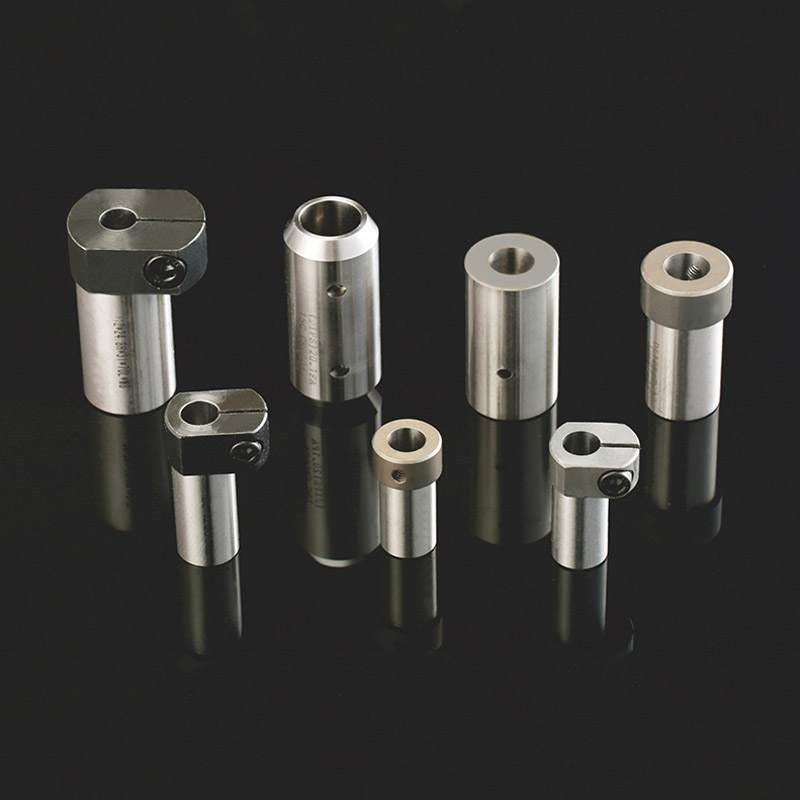
H13 | 59-61 | H13 is a chromium molybdenum hot work steel with exceptional hot hardness and abrasion resistance, general hardness, and toughness. | Used for extrusion dies, forging dies, stamping tools, etc. |
SKD11 | 58-61 | SKD11 tool steel has good wear resistance and size ability after heat treatment. | Used for tensile dies, cold extrusion dies, first punch holder, etc. |
SKD61 | 43-53 | SKD61 steel is a high-grade die casting die. It has heat shock resistance, heat deformation resistance, heat fatigue resistance. | Used for heat work dies, cold heading dies, second punch holders. |
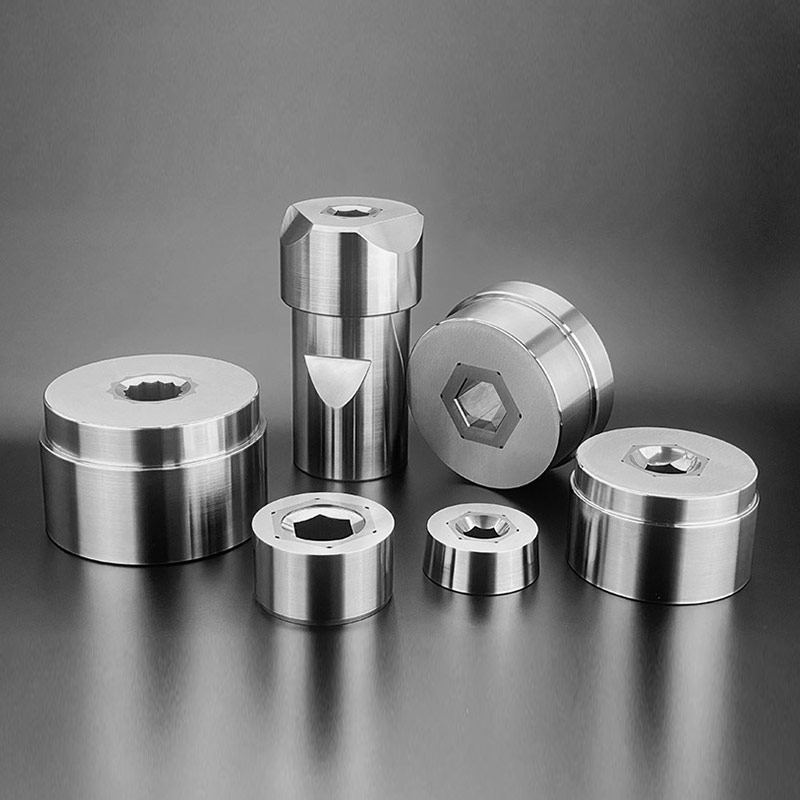
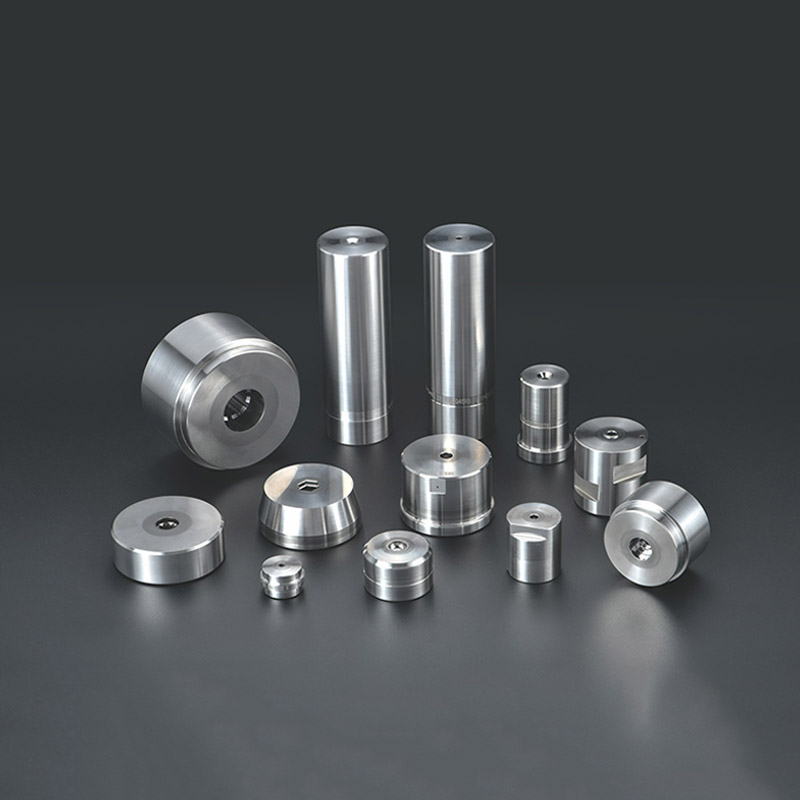
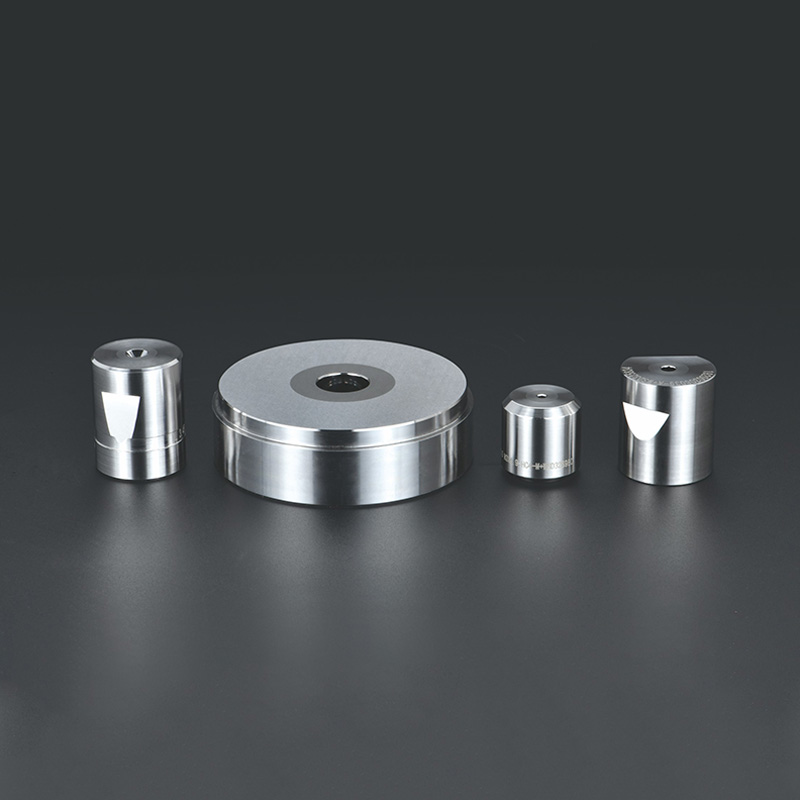
Tungsten Carbide Dies are precision dies made from tungsten carbide, a hard and wear-resistant material widely used for demanding metal forming applications. With high hardness, excellent wear resistance, and strong compressive strength, these Carbide Dies are suitable for cold heading, wire drawing, extrusion, fastener manufacturing, and other precision forming processes.
Tungsten Carbide Dies can be customized according to the workpiece material, die geometry, production requirements, and application. They are commonly used for manufacturing screws, bolts, nuts, rivets, wire, rods, and other metal components.
Tungsten Carbide Dies are industrial tooling components manufactured with cemented carbide, with tungsten carbide as the primary hard phase. The material provides a combination of hardness, wear resistance, and dimensional stability required for repeated metal forming operations.
During production, the die may be exposed to high pressure, friction, and repeated impact. Tungsten Carbide Tooling is designed to withstand these working conditions while maintaining the required cavity geometry and dimensional accuracy.
High hardness and wear resistance
Excellent resistance to compressive stress
Good dimensional stability
Suitable for repeated forming operations
Precise cavity geometry
Suitable for high-volume production
Customized specifications available
Tungsten Carbide Dies are widely used in metal forming processes where tooling is exposed to significant mechanical stress and wear. The carbide material can be selected according to the workpiece material, forming process, production volume, and required tooling performance.
Different die designs can be developed for cold heading, drawing, extrusion, stamping, and other forming applications.
Tungsten Carbide Cold Heading Dies are used to form metal wire or billets into screws, bolts, rivets, and other fasteners at room temperature.
Cold heading places high pressure and repeated impact on the die. The wear resistance and compressive strength of tungsten carbide make it suitable for forming applications that require stable cavity dimensions and consistent production results.
Tungsten Carbide Dies can be used in various industrial metalworking applications.
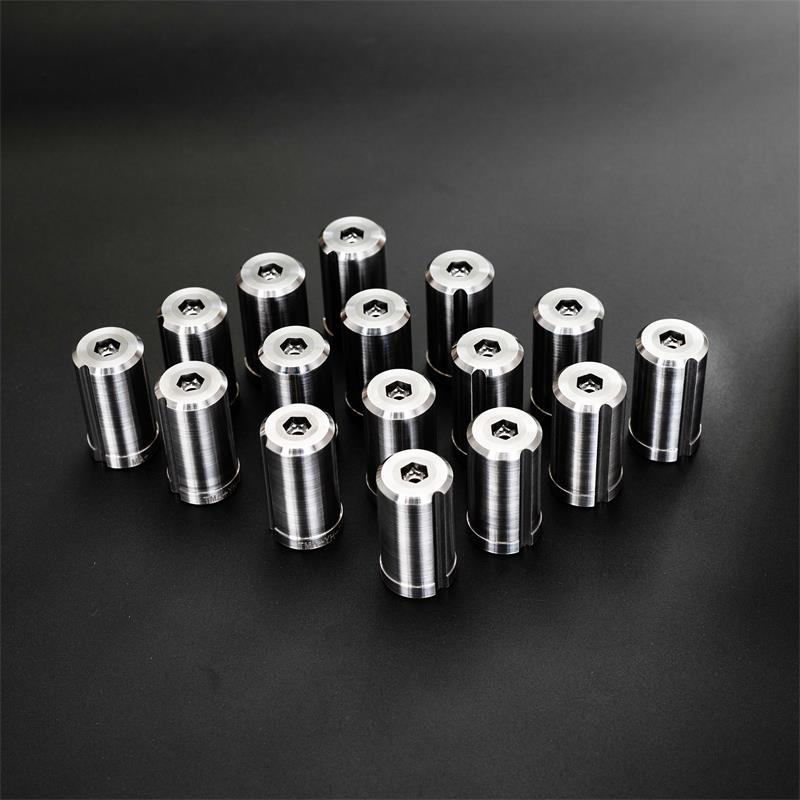
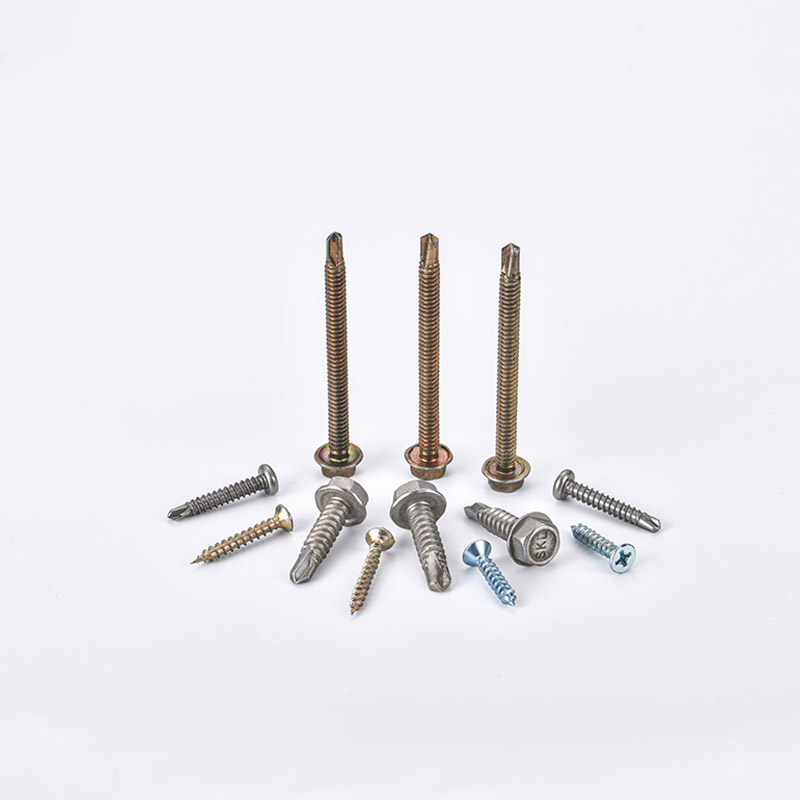
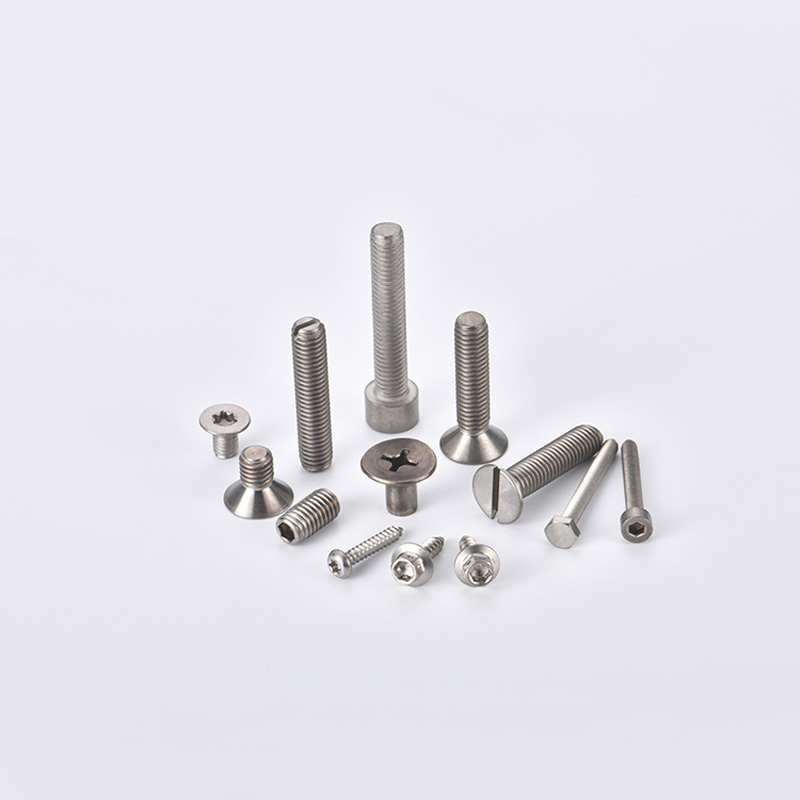
Fastener Dies are commonly used to manufacture screws, bolts, nuts, rivets, and other metal fasteners. Tungsten carbide tooling can be applied to different forming stages depending on the fastener design and production process.
Carbide drawing dies can be used for wire and rod processing where consistent dimensions and resistance to die wear are required.
Tungsten Carbide Dies can also be used for precision forming and extrusion applications involving high pressure and repeated contact between the workpiece and tooling.
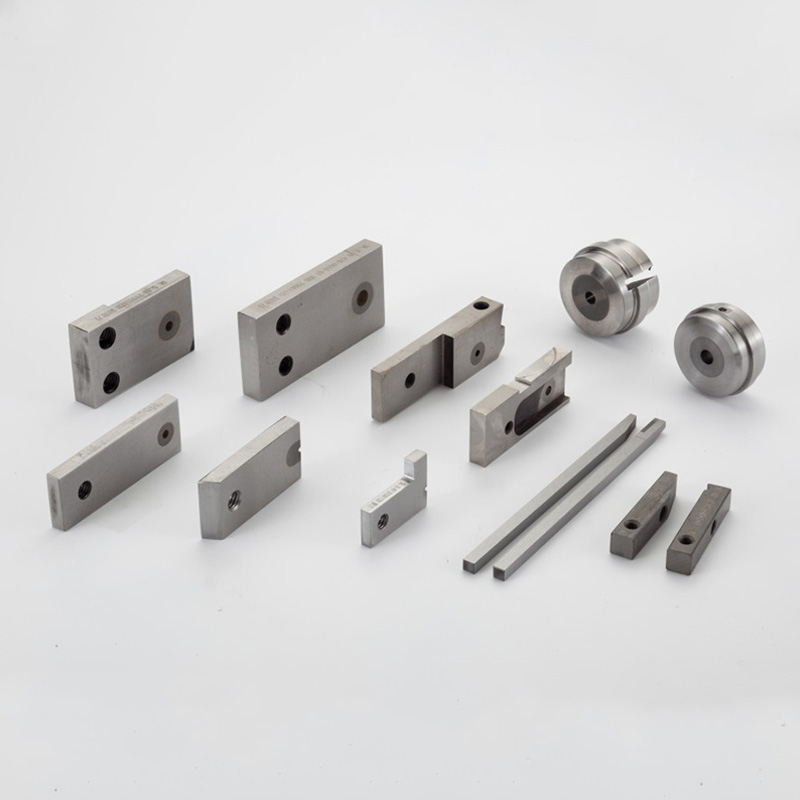
Different products require different die dimensions, cavity profiles, tolerances, and carbide specifications. Customized Tungsten Carbide Dies can therefore be manufactured according to technical drawings, samples, or specific application requirements.
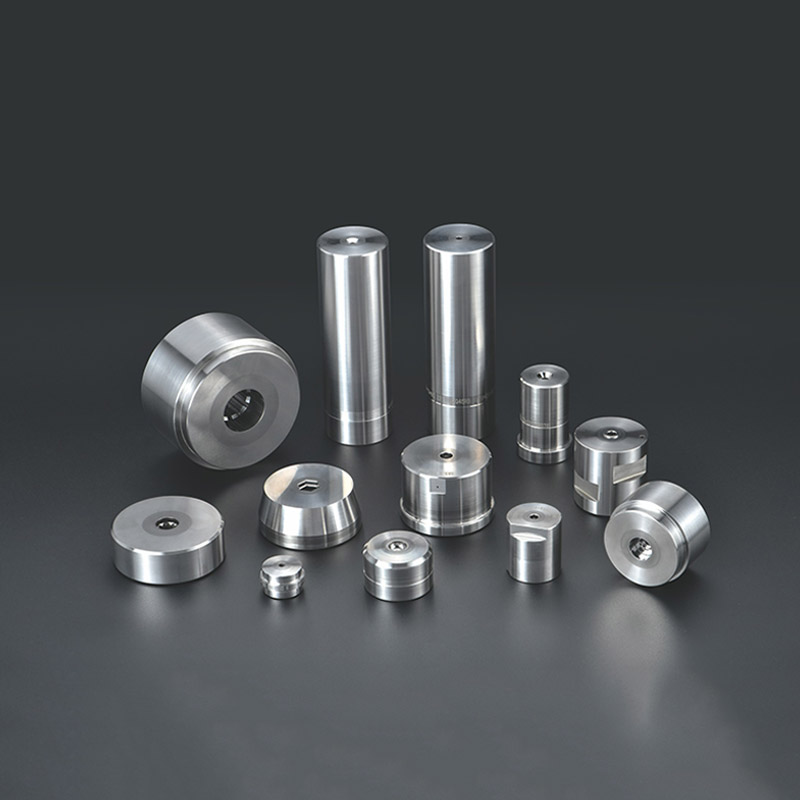
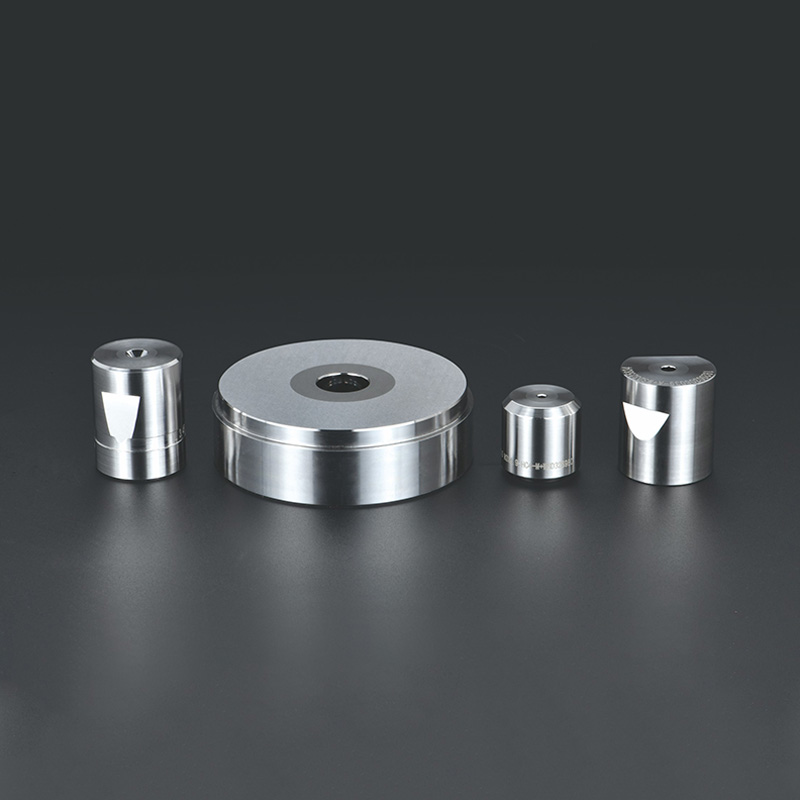
The appropriate die should be selected according to the actual production conditions. Important factors include the workpiece material, forming process, product dimensions, forming pressure, production volume, and required tolerance.
For example, Tungsten Carbide Cold Heading Dies require suitable properties for repeated impact and compressive loads, while Tungsten Carbide Drawing Dies focus more on wear resistance and dimensional consistency during continuous drawing.
The cavity geometry and carbide specification should also be matched to the specific application to achieve stable forming performance.
As precision Carbide Dies, Tungsten Carbide Dies require accurate machining, controlled cavity dimensions, and suitable material selection. Customized tooling can be manufactured according to product drawings, samples, machine requirements, and production conditions.
Whether used for cold heading, wire drawing, fastener manufacturing, or metal forming, Tungsten Carbide Dies provide a durable tooling solution for demanding industrial applications.
For customized Tungsten Carbide Dies, provide your drawings, samples, dimensions, or application requirements for tooling evaluation and production.
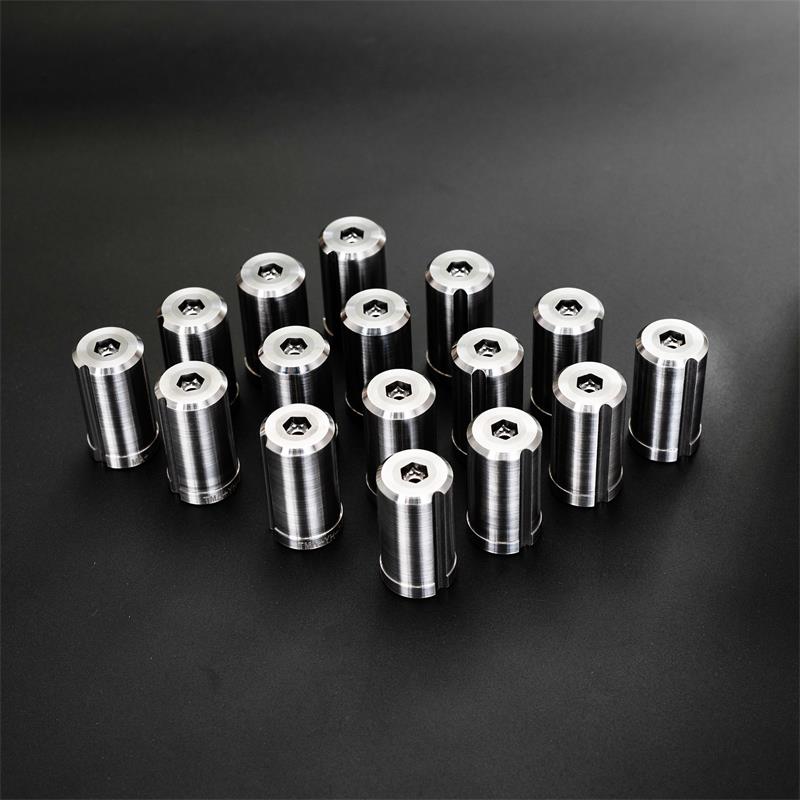
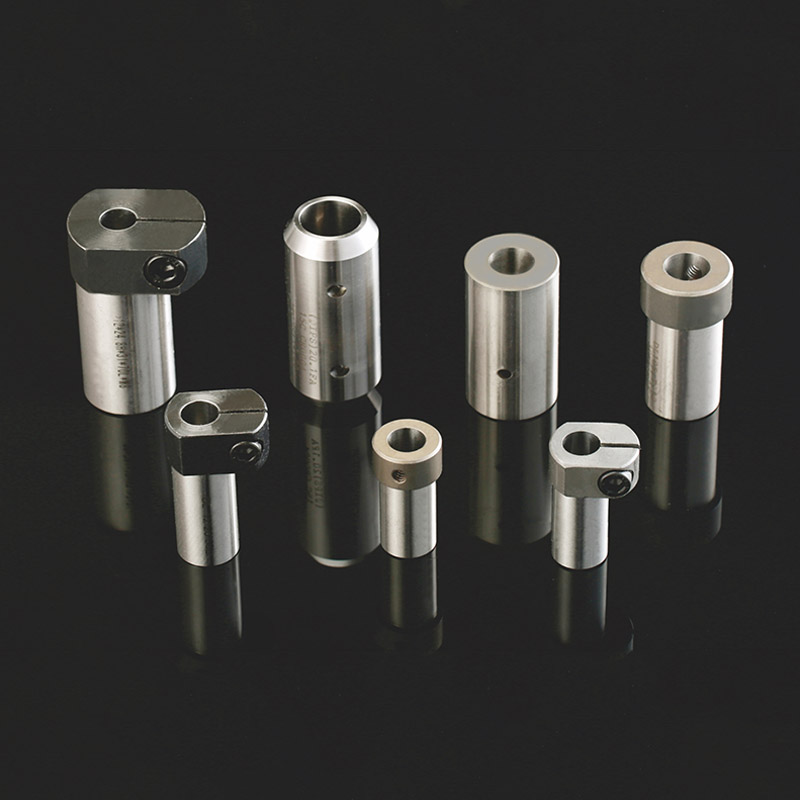
Quality Inspection of Tungsten Carbide Dies
Our tungsten carbide mold quality inspection process includes rigorous checks of dimensional accuracy, surface finish and hardness using Rockwell or Vickers hardness testers. Next, optimum performance is ensured by thoroughly checking concentricity and straightness. Microscopic inspection identifies material defects, while ultrasonic testing detects internal defects. Our rigorous quality control ensures that our tungsten carbide molds meet the highest industry standards for reliability and longevity.
Q&A |
What is Tungsten Carbide Dies?
Tungsten Carbide Dies are molds made of Tungsten Carbide, which are widely used in manufacturing processes due to their extremely high hardness and wear resistance, especially in applications requiring high precision and durability.
What are the main uses of Tungsten Carbide Dies?
Tungsten Carbide Dies are mainly used in wire drawing, cold heading, extrusion molding and other metal working processes, such as the manufacture of bolts, screws, metal tubes and wires.
What are the advantages of Tungsten Carbide Dies over other mold materials?
The main advantages of Tungsten Carbide Dies include its excellent hardness, high wear resistance, excellent dimensional stability, and corrosion resistance, allowing it to maintain its performance over long periods of time.
Are Tungsten Carbide Dies susceptible to damage?
Although Tungsten Carbide Dies are very hard, they are relatively brittle and may break when subjected to severe impacts or sudden jolts, so they need to be handled and used with care.
What is the lifespan of Tungsten Carbide Dies?
Due to its high wear resistance, Tungsten Carbide Dies typically have a longer service life than other mold materials such as Steel Dies, reducing replacement frequency and maintenance costs.
What are the main challenges of Tungsten Carbide Dies?
The main challenges with Tungsten Carbide Dies include high brittleness and high initial cost. In addition, processing Tungsten Carbide materials requires specialized equipment and techniques, adding to the complexity of manufacturing.
What can I do to improve the service life of Tungsten Carbide Dies?
Regular inspection and maintenance, proper lubrication, avoidance of excessive impacts, and proper operating procedures can help extend the life of Tungsten Carbide Dies.
What industries use Tungsten Carbide Dies?
Tungsten Carbide Dies are widely used in the automotive, aerospace, electronics and heavy machinery industries, especially in the production of parts that require high precision and durability.
Why are Tungsten Carbide Dies expensive to manufacture?
The high cost of manufacturing Tungsten Carbide Dies is mainly due to the expensive raw material of Tungsten Carbide, the difficulty of machining, and the need to use high-precision machining equipment and technology.
How to prevent cracking when using Tungsten Carbide Dies?
In order to prevent Tungsten Carbide Dies from cracking, you should avoid violent impacts, use appropriate processing parameters, and maintain uniform pressure distribution during operation.
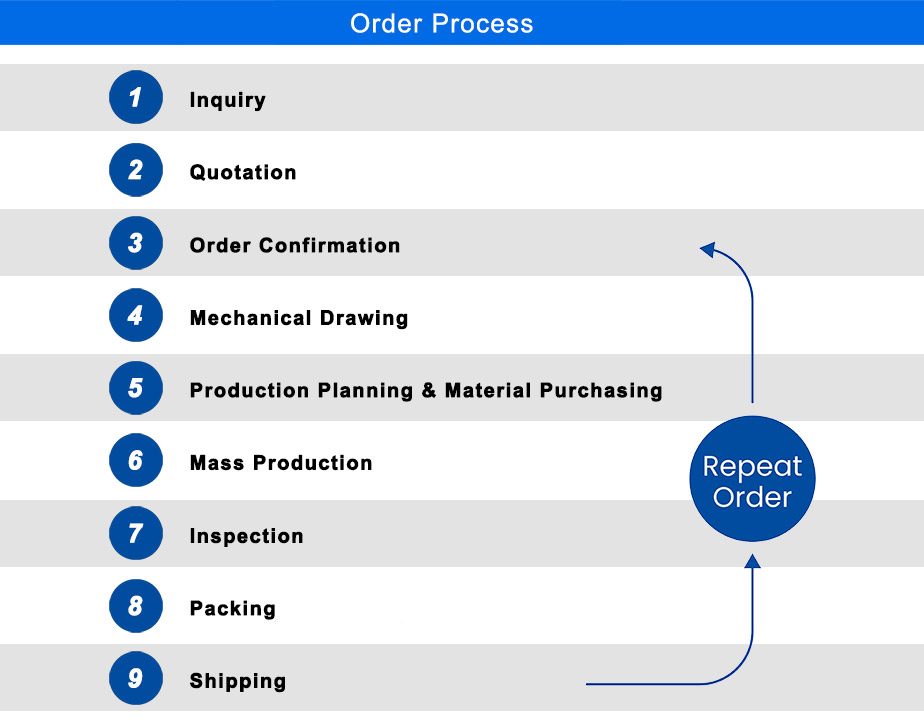
As a leading manufacturer of tungsten carbide tooling, we are able to provide cutting-edge solutions for your wire drawing needs, whether you are in the automotive, electronics, or telecommunications industries, our customized tooling is designed to meet your specific application.
At Donglong, customer satisfaction is our top priority. Our team of experts is ready to provide you with tailor-made solutions, offering guidance on mold selection, customization and optimal use. You can contact us at any time for inquiries and consultation, and we look forward to working with you!

For 28 years, Donglong has been focusing on the design, development and manufacture of precision screw molds.


Copyright © 2026 Dongguan Donglong Mold All rights reserved. Privacy Policy